Inspect the joints underneath
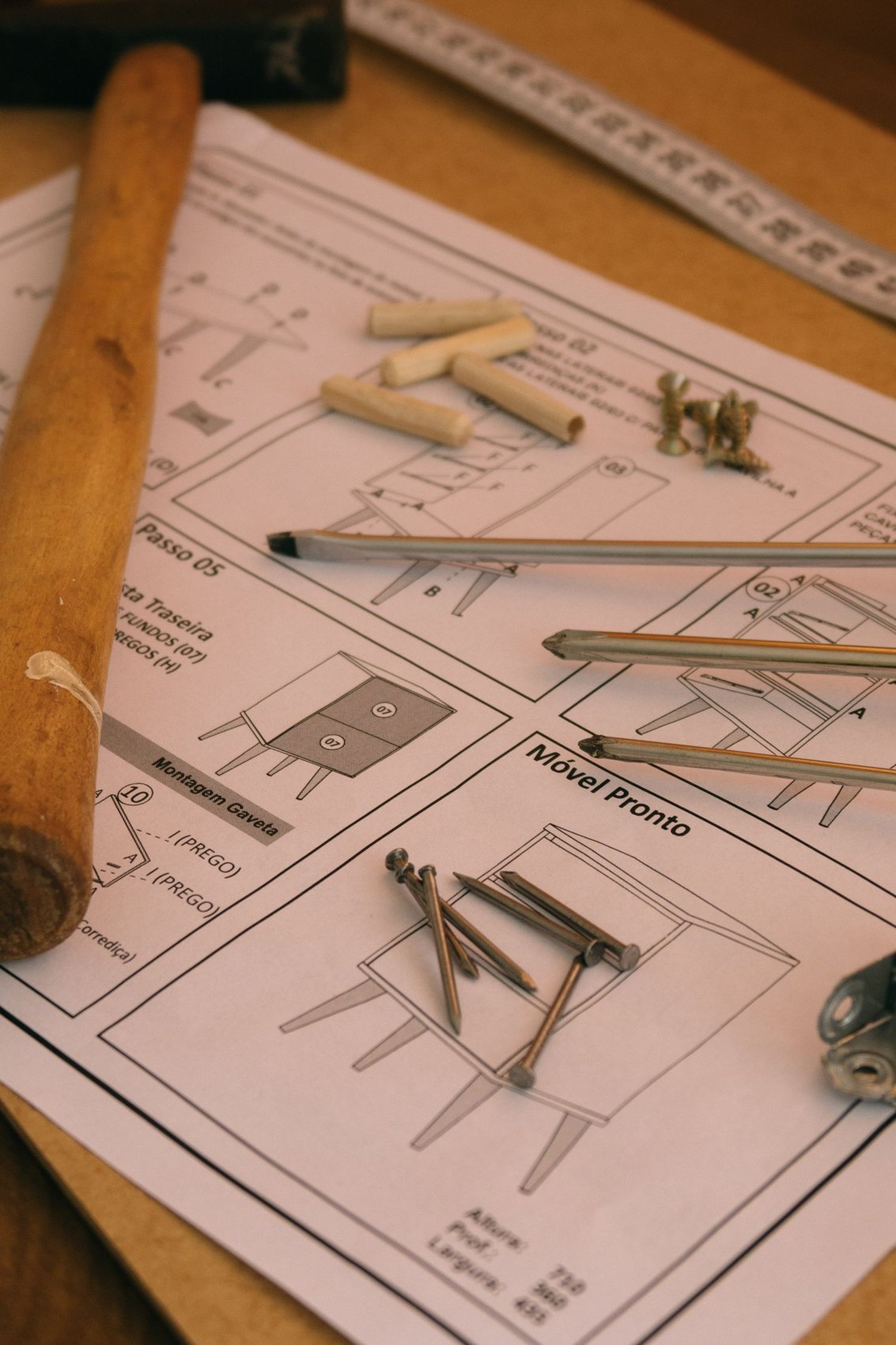
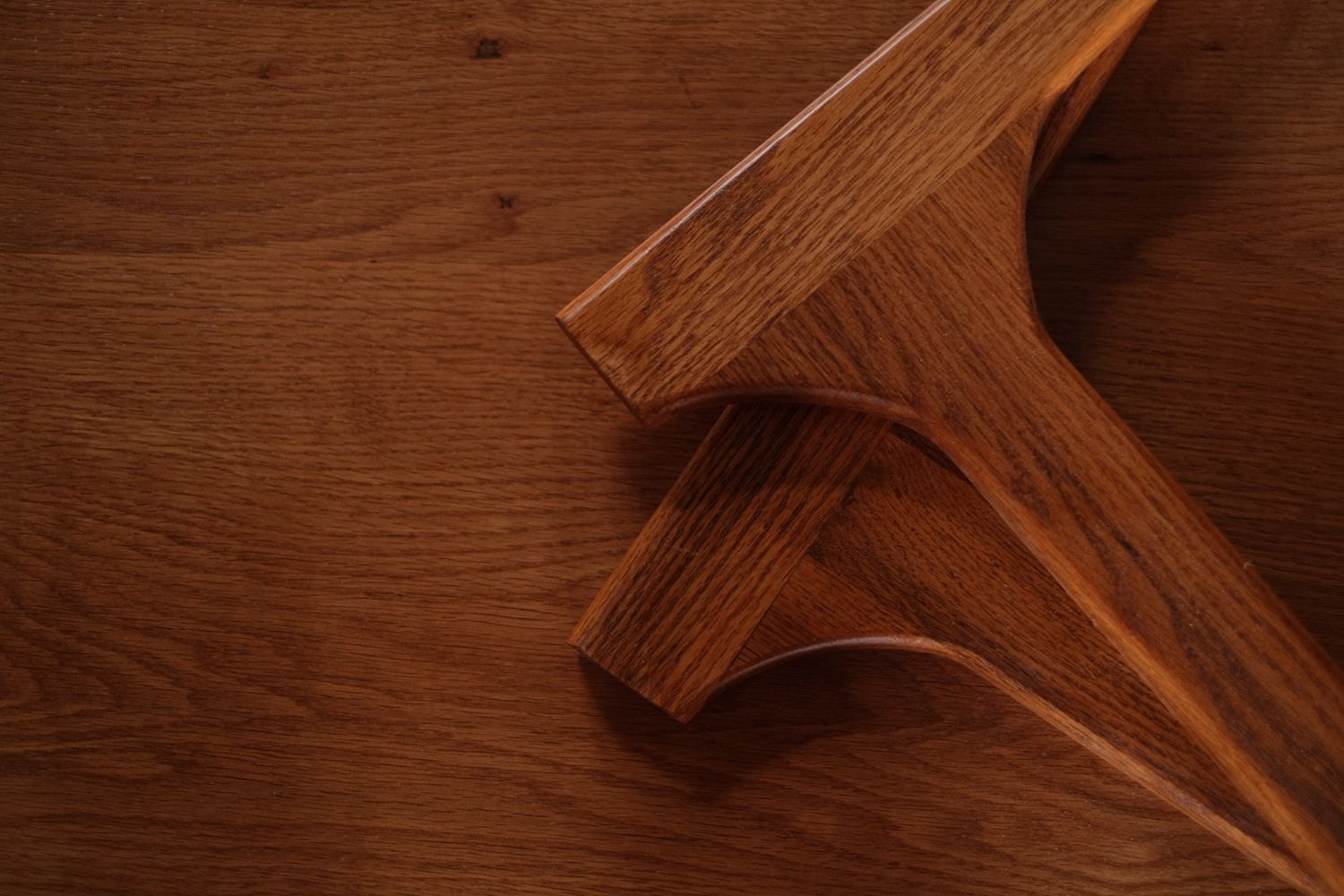
Clear the table and photograph its underside. Find the assembly instructions or model details before releasing fittings. Label the legs and matching corners, even if all four look alike. Individual joints on an older table may already have been adjusted. Keep each corner's screws, brackets and washers together. A permanent glued joint does not become removable simply because you apply more force.
For an extending table, take out loose extension leaves and wrap them separately. Secure moving parts only as the construction permits. Tape across a varnished edge is not a substitute for the intended locking arrangement and may leave marks when removed.
Choose a supported working position
The tabletop must not tip unsupported while the legs are removed. Arrange enough help and a working area suited to its size. If the instructions permit turning the table over, protect the finish with clean padding and check underneath for grit or metal pieces. Even one fitting trapped beneath a blanket can leave a pressure mark.
Wrap removed legs individually without letting fittings press into visible surfaces. Protect any projecting threaded studs with firm covers. Bundle the pieces so nobody inadvertently grabs a sharp end. Keep the fitting bags in the assembly box with a clear reference identifying the table.
Prepare the top for transport
Protect corners and edges without sticking packaging directly onto delicate surfaces. A blanket reduces rubbing, but it does not replace appropriate support or restraint in the vehicle. Transport orientation depends on the material, dimensions and manufacturer's guidance. Large stone tops and heavy specialist constructions need experienced handling; their weight is difficult to judge from above.
At the destination, clear the intended position first. Assemble the table fully and check the specified connections before putting heavy objects on it. A wobbling table is not stabilised by placing a loaded carton on top: check its assembly and its contact with the floor instead. Keep the detached protective wrapping nearby until the work is complete.