Find the exact model
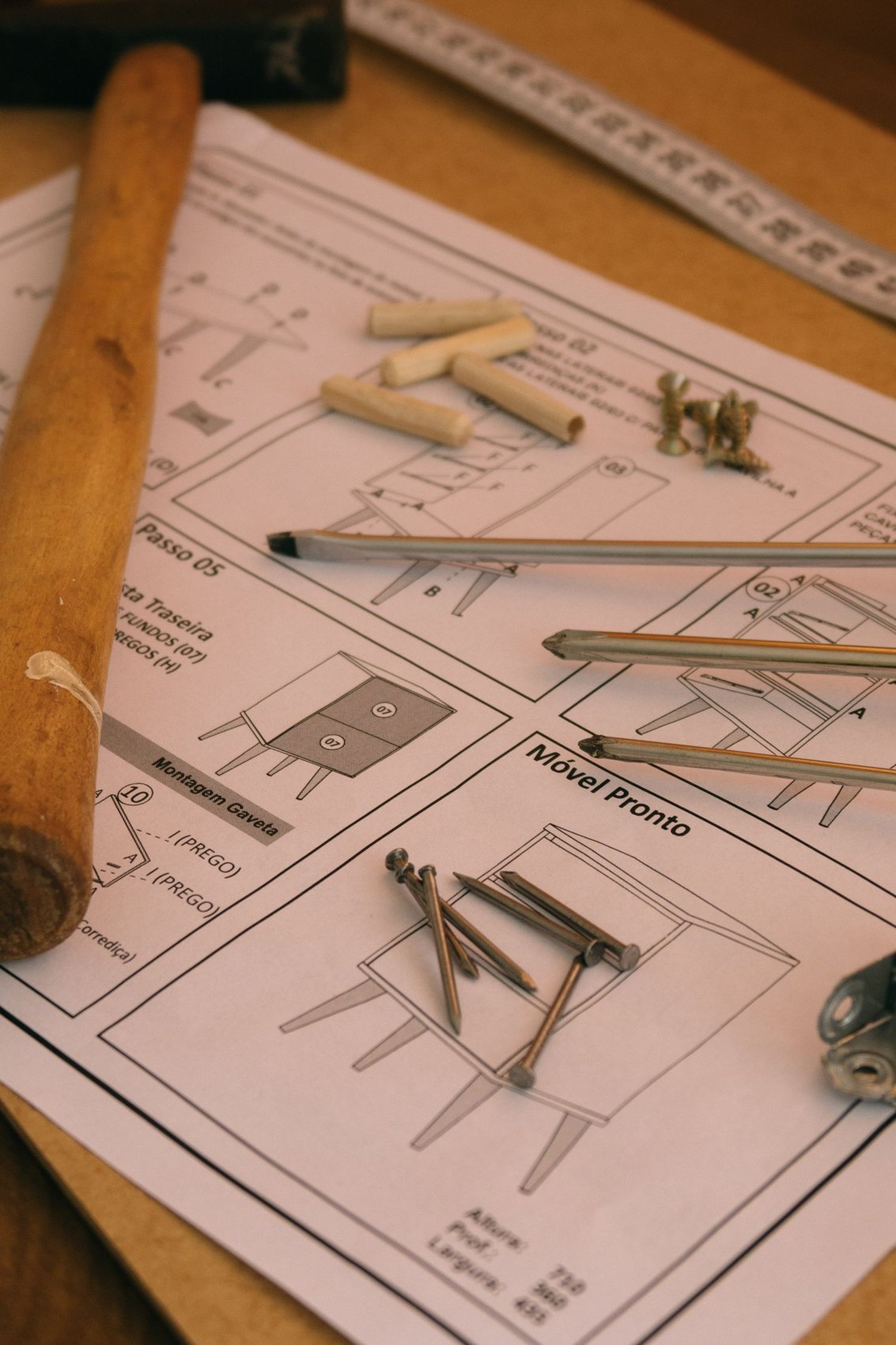
Look for the product label, purchase details and matching assembly instructions before dismantling. Similar wardrobes can use different connectors or back panels. Check whether the manufacturer provides dismantling guidance and whether your model is suitable. Glued joints and damaged particleboard cannot simply be treated like sound screw connections. If a joint will not move after its fittings are released, do not force the panels apart.
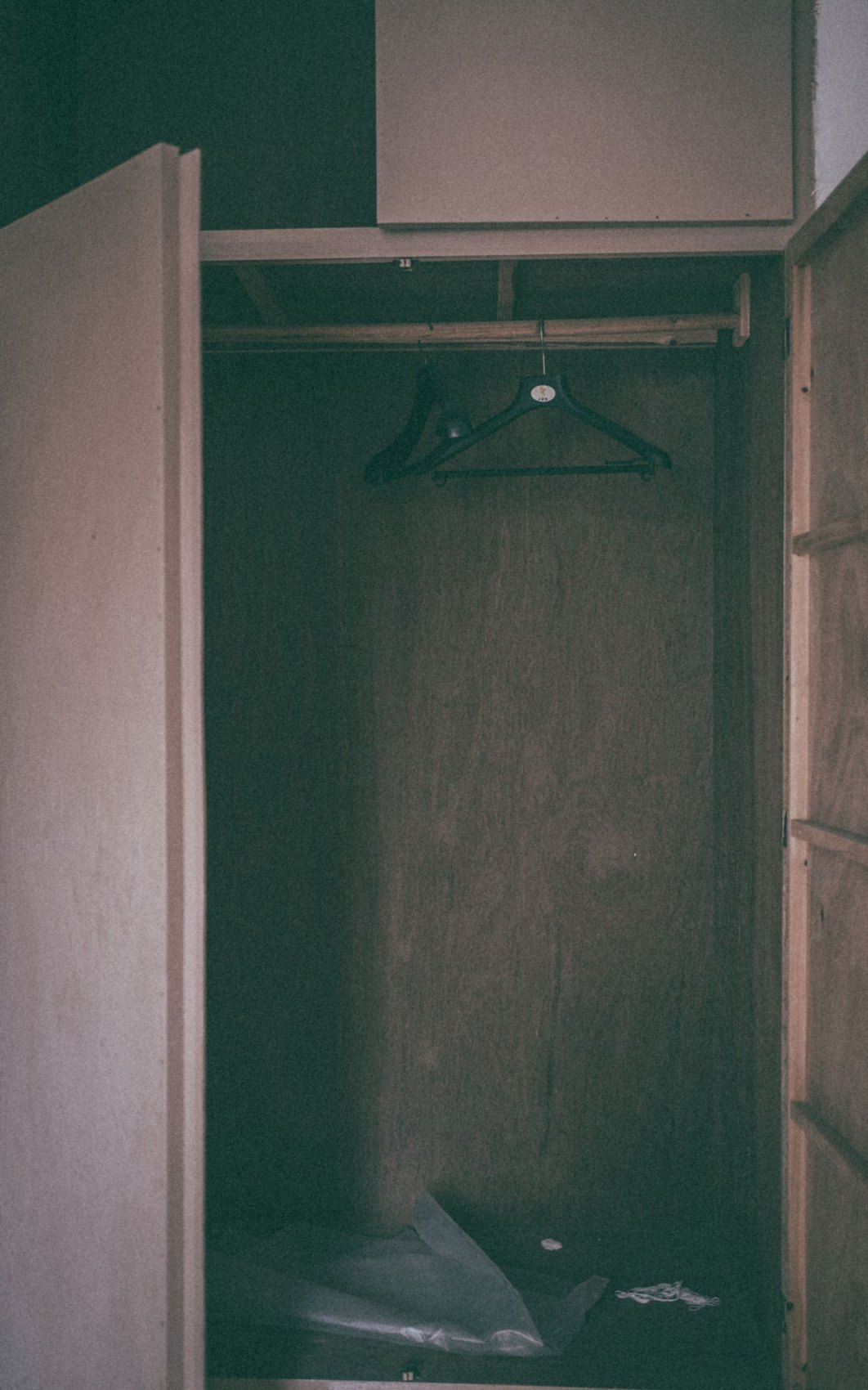
Photograph the empty wardrobe from the front, both sides and inside. Take separate pictures of the plinth, upper connections and wall restraint. One overall photograph rarely shows where each small bracket belonged when you come to rebuild it.
Add a simple drawing
Draw the compartments as rectangles and number them from left to right. Note which shelves are fixed and which rest on removable supports. Record useful shelf positions against the hole pattern, for example by counting the empty holes below. After transport, that can be clearer than a photograph containing dozens of identical holes.
Mark removed parts with a removable label on an inconspicuous suitable surface, or label their packaging. Always define top, front and left from the normal view facing the wardrobe. Explain that viewpoint to anyone helping so you do not end up using two conflicting labelling systems.
Maintain support through every stage
Empty the wardrobe completely and clear enough space for its components. Doors and large panels need support while being released. Follow the model's instructions for the sequence; a back panel may contribute to stability and should not casually be removed first. Release the wall restraint only when the necessary helpers and the next controlled step are ready.
Keep the photographs, drawing and fitting bags together. At the new location, start by checking the floor, ceiling clearance and intended wall fixing. Resolve damaged components before assembly instead of letting them disappear into the finished structure under time pressure. Keep the working area clear so stored panels cannot obstruct the people handling the frame.