Inspect the blanket first
Spread each blanket on a clean surface. Look for grit, metal fragments, rough seams and damp patches. A dirty blanket can cause scratches rather than prevent them. Set aside wet or badly damaged ones. Particularly delicate finishes may need a suitable soft intermediate layer; consult the furniture's care guidance.
Choose enough material to cover edges and corners with an overlap. Several smaller blankets can work, but their joins must not open during the first movement. Start with completely emptied furniture. Prepare loose shelves, glass panels and removable components separately as their construction requires.
Wrap in a deliberate order
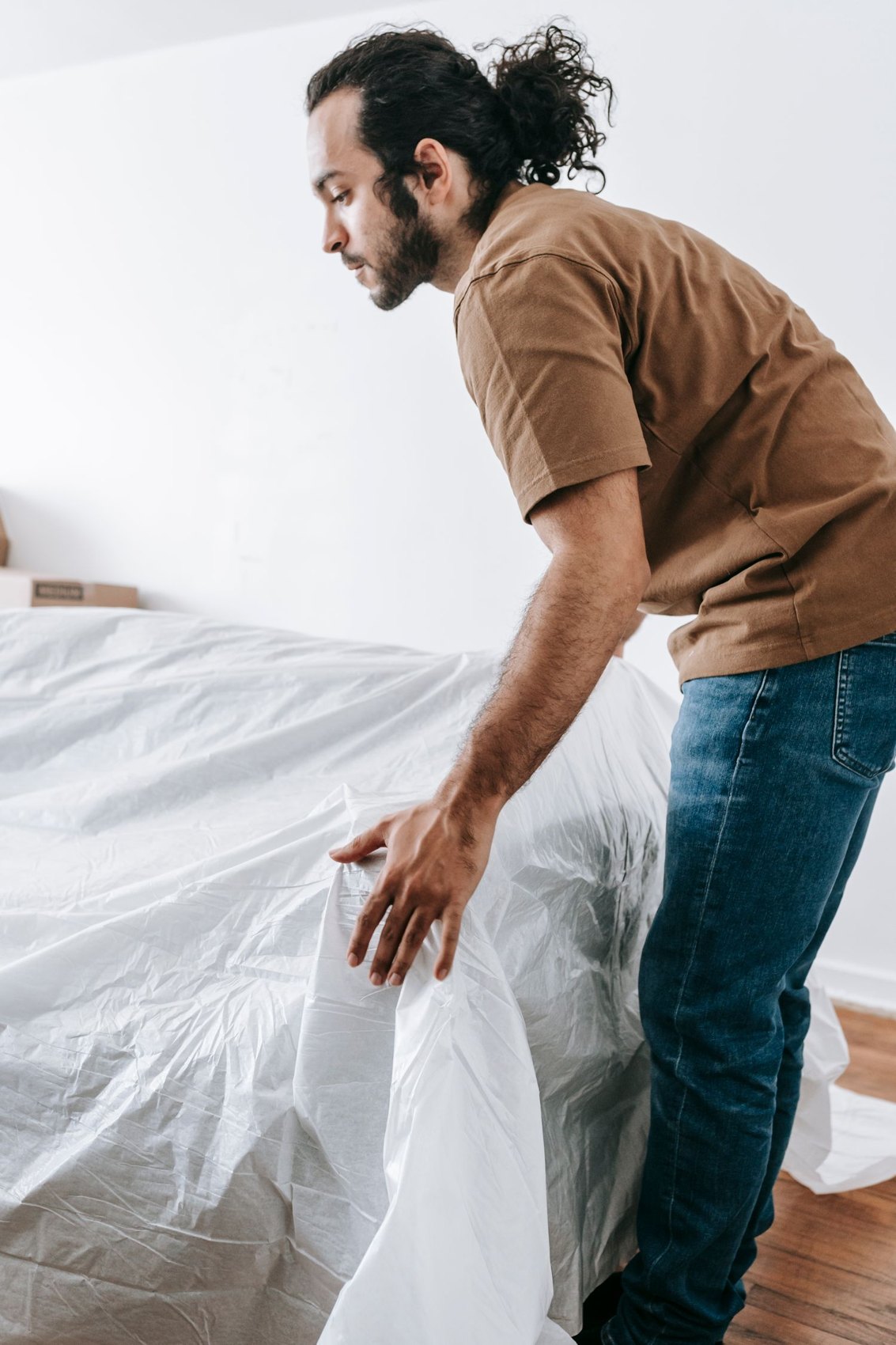
Lay the first layer over the largest delicate surface and bring it around the edges. Add corner protection where the blanket alone is too thin. Secure the blankets with suitable bands or straps over the protective layer without compressing thin furniture parts. Tape should stick only to suitable packaging, never directly to the furniture.
Check underneath afterwards. Hanging ends can go under someone's feet or catch in wheels. Keep the intended secure gripping points accessible. Holding a fold of blanket is not the same as holding the furniture. Check the wrapping with a careful adjustment at floor level before the main handling begins.
Loading involves another job
A blanket provides padding, not load restraint. A wrapped wardrobe can slide inside a vehicle just as an unwrapped one can. Its position and restraint must suit the load and vehicle. Avoid routing straps over vulnerable trim or handles. Discuss unusual furniture with the transport company before deciding on its wrapping.
At the destination, remove any blankets that have become damp and inspect the furniture. Dry blankets completely before folding them. Store them somewhere clean, away from tools and sharp fittings, so they still function as protective material next time. Check borrowed blankets before returning them as well.