Prepare the cardboard surface
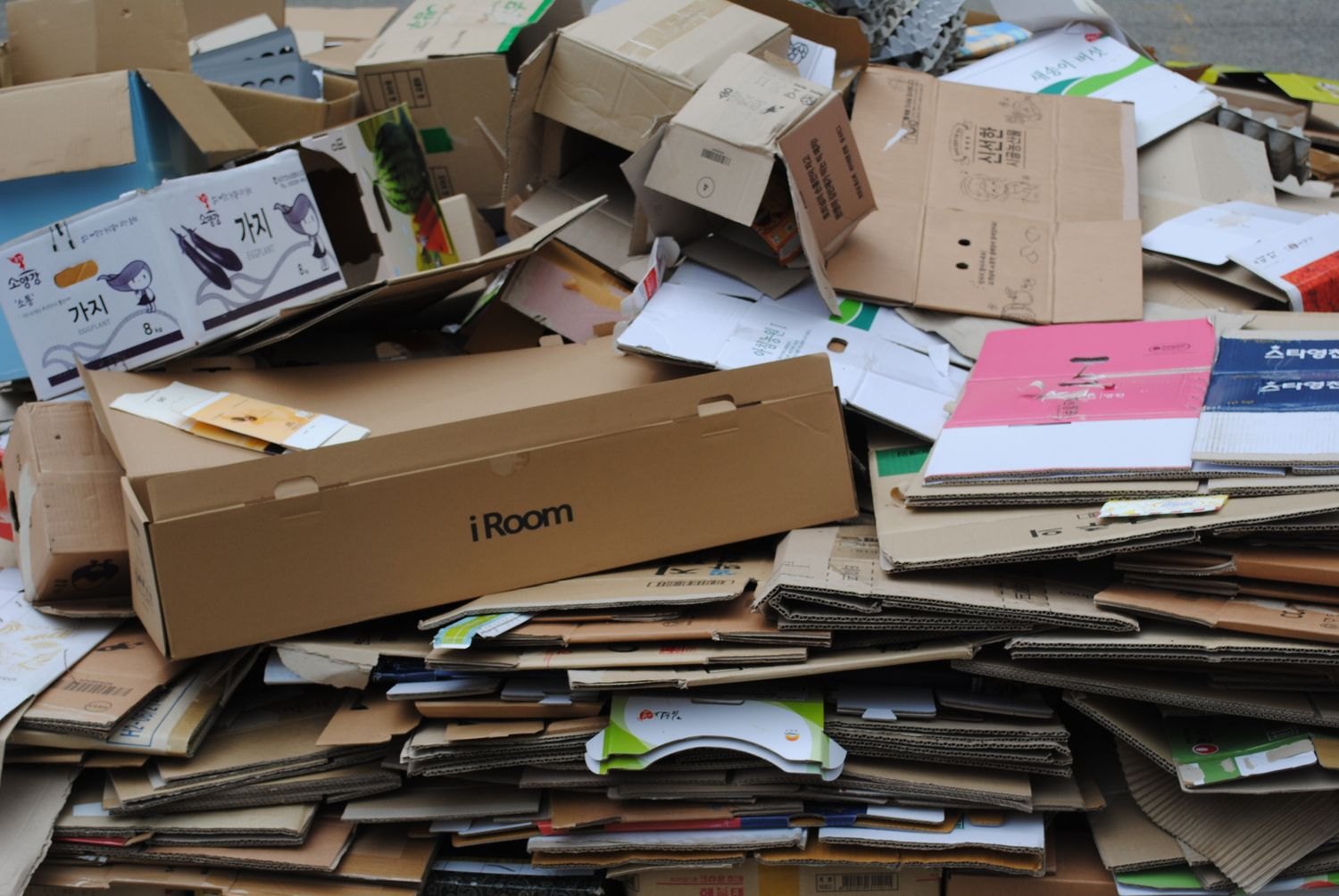
The surface should be dry, clean and free of loose fibres. Remove loose tape remnants rather than simply covering them. If the outer paper layer is already peeling, a fresh strip may tear away together with that layer. A different tape cannot repair a damaged box wall.
Follow the stated temperature range and application instructions on the roll or packaging. The tape, cardboard and working environment should suit those requirements. A product intended for particular cold conditions is not interchangeable with every ordinary packing tape. Choose for the real task, rather than colour or width alone.
Seal an empty sample box
Assemble a box correctly and place a strip along the intended seam. Press the tape down along its full length so it makes contact with the surface. Pay particular attention where the flap meets the side wall. Wrinkles and loosely bridged areas reduce effective contact.
Allow the bond to rest as directed by the product instructions, then inspect whether the ends lift again. Do not pull at an already packed box in an attempt to force a failure. A simple application check can identify unsuitable combinations, but does not establish a certified load rating.
Check the dispenser as well
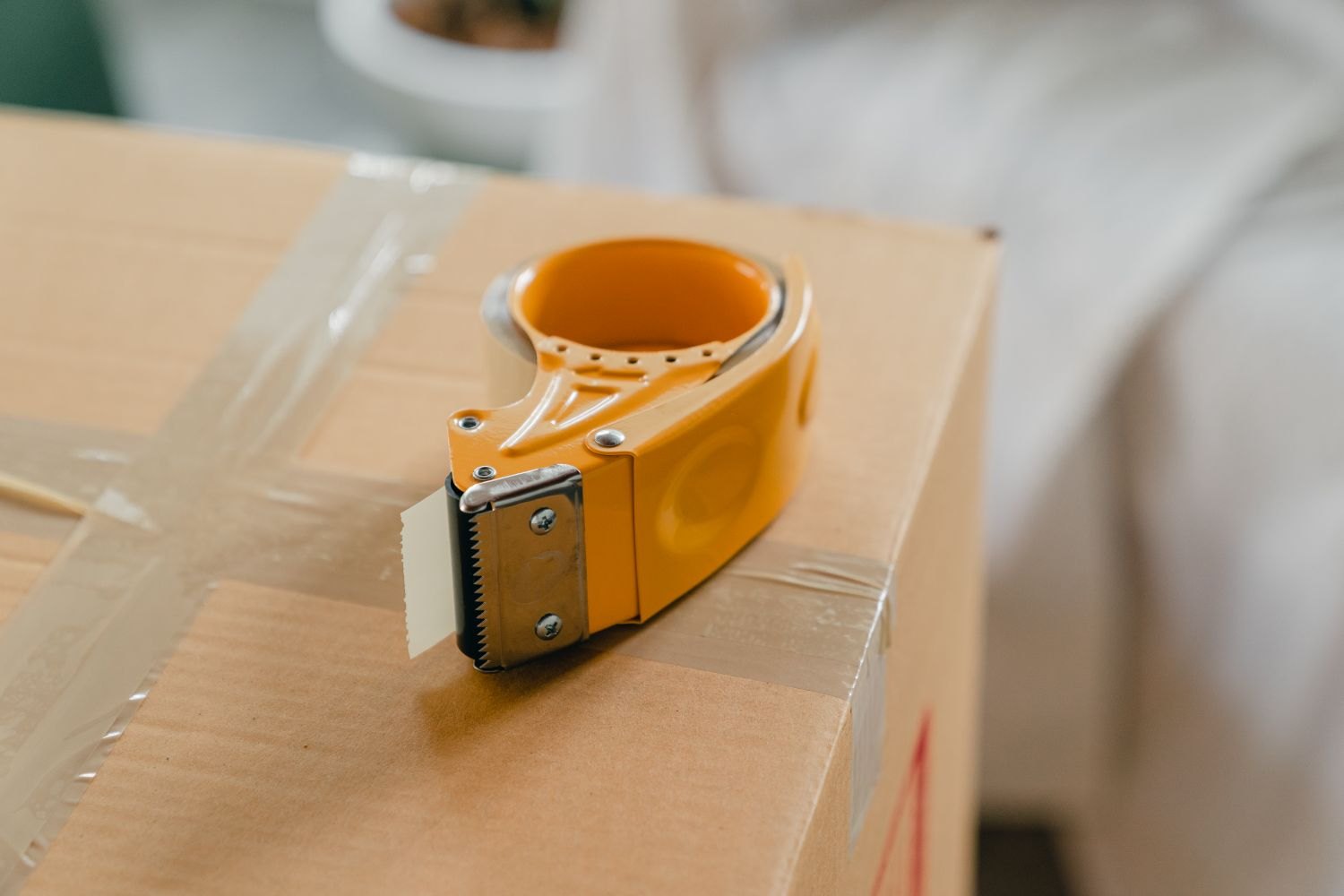
A suitable dispenser helps lay tape evenly. Pulling excessively hard can make the task awkward; follow its adjustment instructions. Keep the cutting edge facing away from yourself and other people. Put the tool down where nobody can accidentally reach into the blade.
Keep a spare roll in the supplies box so an unexpected problem does not lead to repairs made from many tiny scraps. If several people are helping, show them the successful sample box. A shared method is easier to check than a different closure on every container.