Compare internal dimensions
For a rigid object, the usable internal measurements matter. Allow additional room for suitable cushioning. A box that only just accepts a vase leaves no separation from the outer wall. Measure the complete intended package before ordering a large quantity of containers.
Check the opening and the shape of the flaps as well. Some containers provide less clear internal height than their exterior suggests. A sample box helps reveal these details. Assemble it completely and try it with a representative item from your home.
Separate dense and lightweight belongings
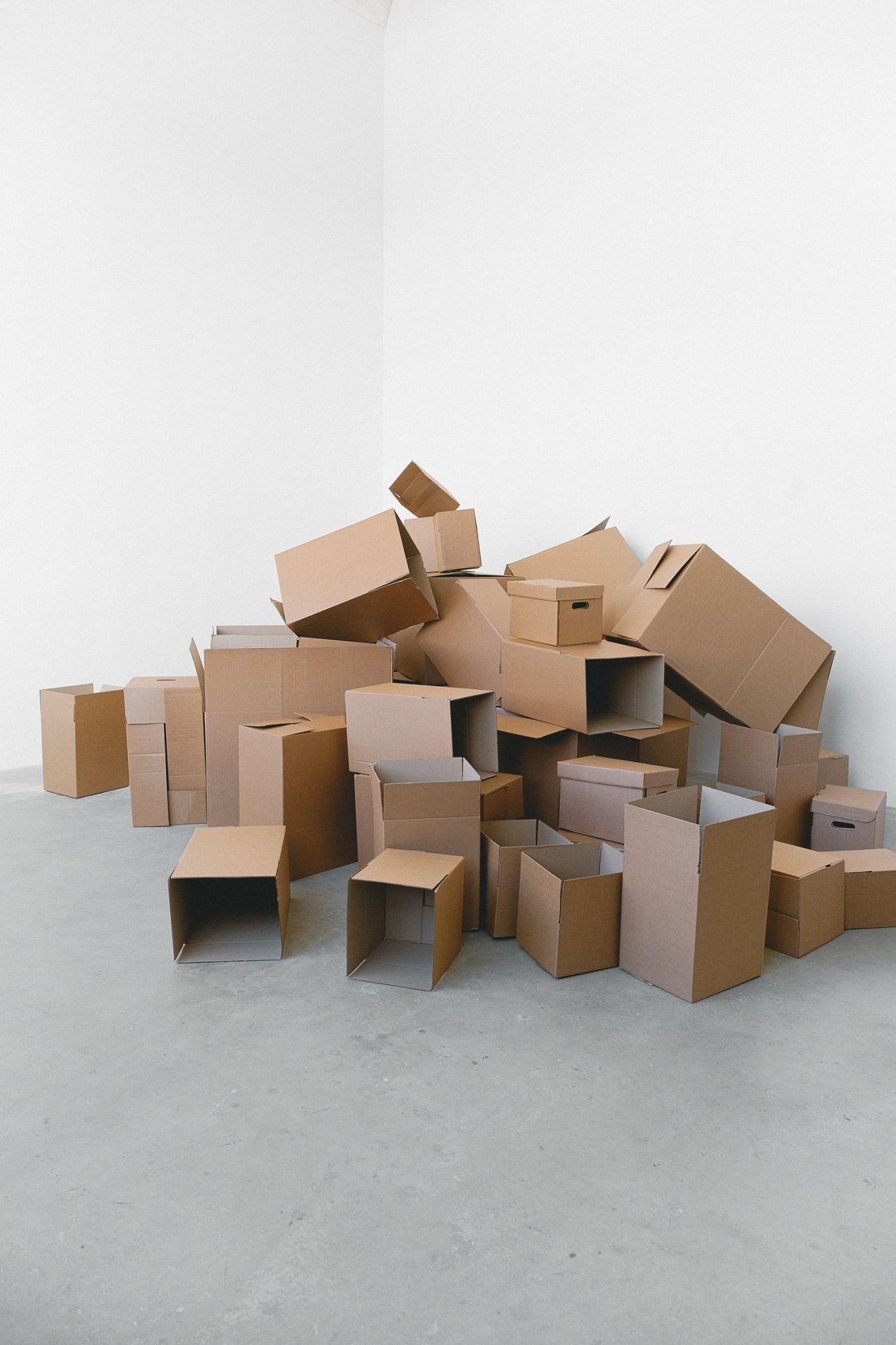
Small boxes suit contents that quickly become heavy. Medium formats can hold mixed kitchen utensils when heavy and delicate items are separated sensibly. Large boxes are more useful for bulky, light belongings such as cushions. This is a planning approach, not a blanket approval of any load.
Long, flat or particularly delicate objects may need specialist packaging. Do not try to wedge a monitor diagonally into an undersized standard box. Two boxes pushed together do not automatically form a reliably strong transport container without a suitable construction.
Consider the route and the eventual stack
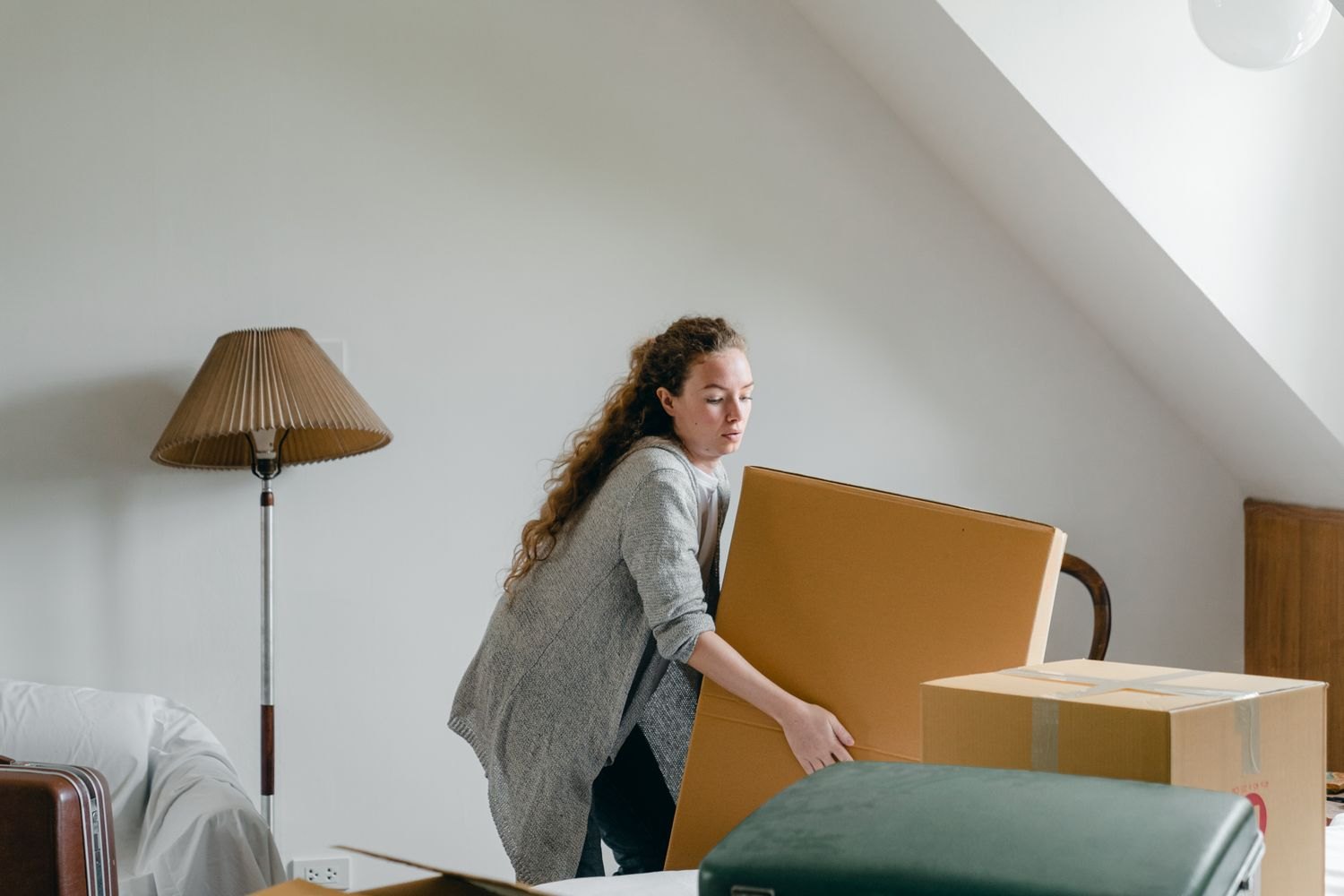
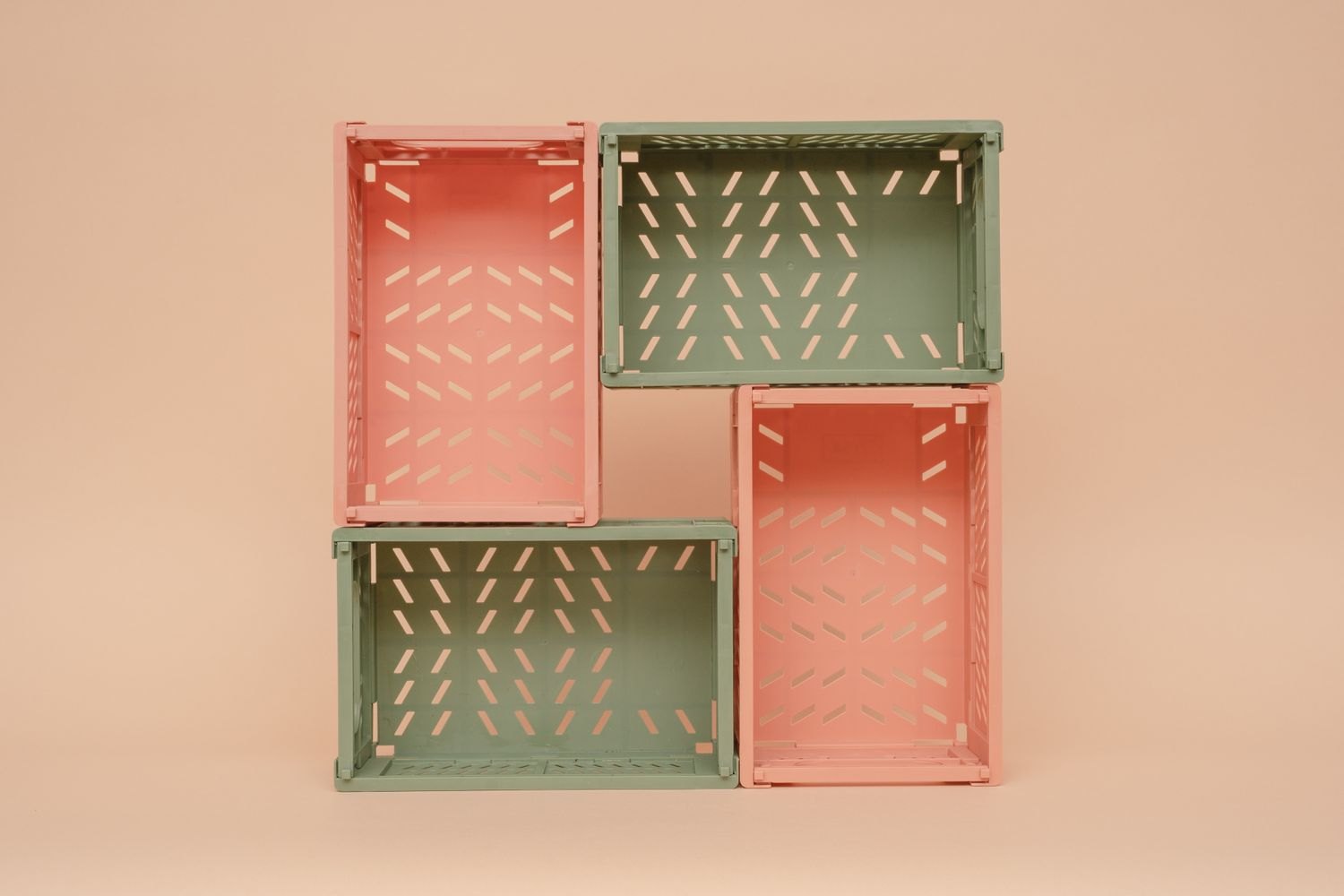
A box must pass through doors and leave adequate visibility while being carried. Measure critical openings if you expect to use bulky containers. Matching footprints make orderly stacks easier, but do not replace checking whether each box can be stacked and what it can support.
Keep a few small boxes in reserve. They can take dense leftovers that no longer belong in a larger container. Label after the final packing arrangement is settled, so divided contents do not disappear under an old, inaccurate description.