Put cleanliness before convenience
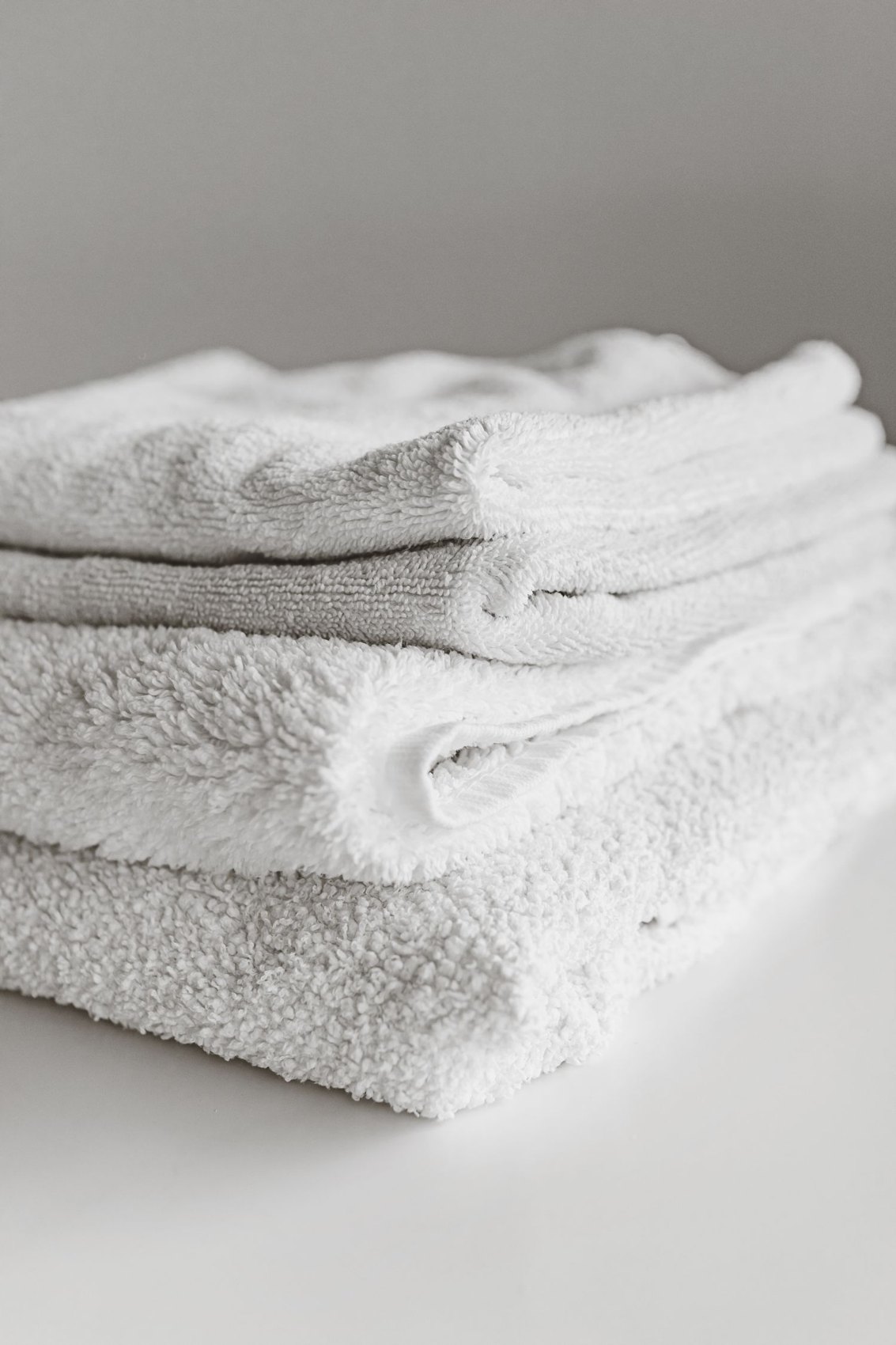
Inspect textiles for grit, hard crumbs, zips and metal parts. A towel that looks clean may still contain sand after a beach trip. Those particles do not belong against delicate surfaces. Wash and thoroughly dry the textiles you plan to use in advance.
Do not wrap belongings in damp cloths. Even slightly clammy fabric can hold moisture inside a closed container. Materials that shed heavily or transfer dye are unsuitable for some finishes. If unsure, use an appropriate clean separating layer or purpose-made packaging.
Keep the use specific
A towel might cushion robust, separately arranged kitchen items. It should not conceal unsecured sharp edges. Knives need suitable rigid blade protection; a loosely wrapped tea towel is not enough. Very fragile objects also need protection designed around their particular shapes.
Fold blankets so thick ridges do not press against delicate parts. If necessary, secure the covering to the packaging without putting tape directly on furniture finishes. Check that the material does not shift unnoticed during lifting and leave a corner exposed again.
Keep track of the textiles
Note on the box if towels or blankets are being used inside as cushioning. Otherwise you may search your linen box for something that is currently protecting a saucepan. Keep first-night towels separate instead of borrowing them as last-minute packing material.
As you unpack, collect used cushioning textiles in a separate basket. Inspect them for damage and dirt before returning them to the cupboard. Reuse should not end with dusty blankets mixed into freshly washed bedding.