Separate overview from detail
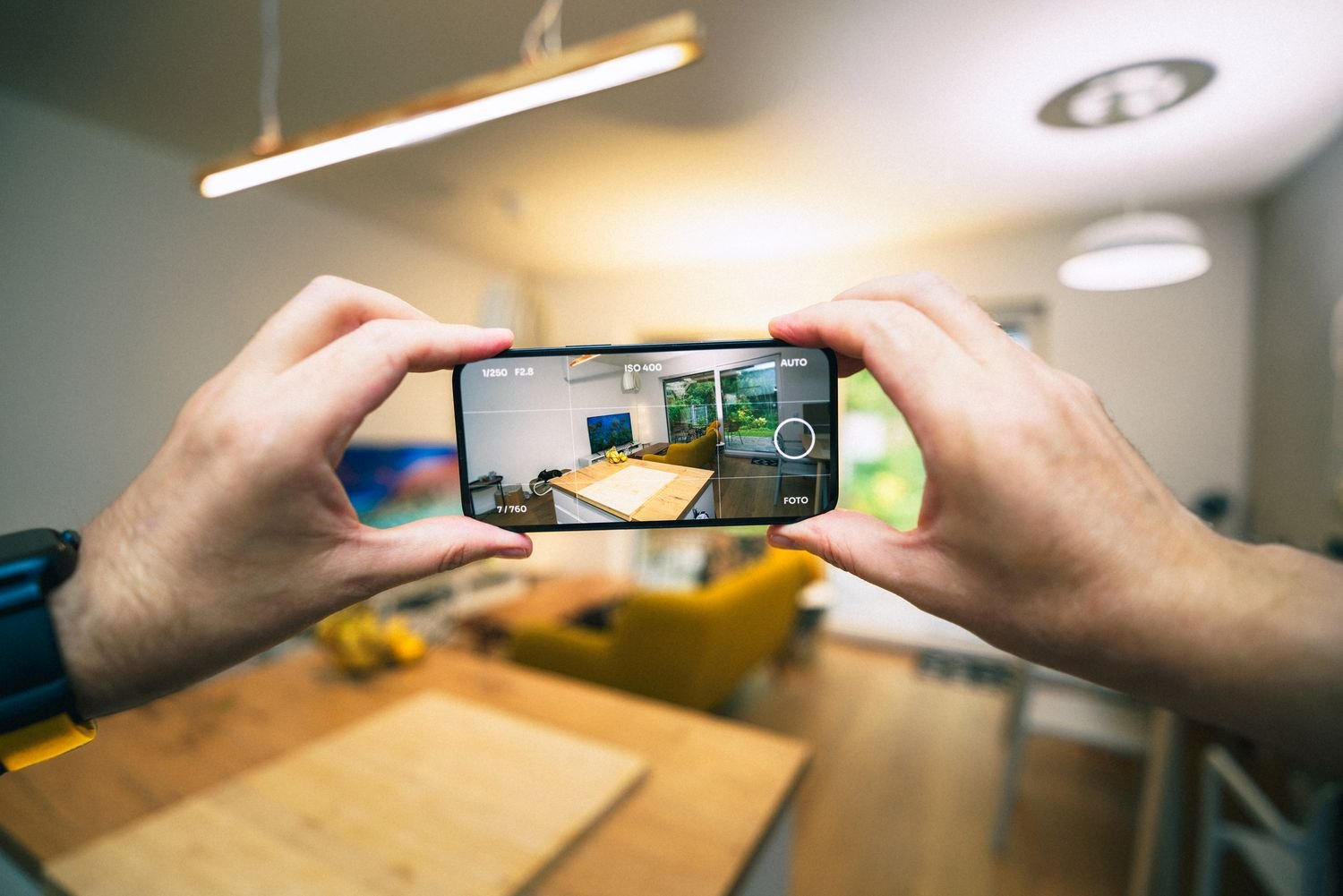
Photograph large furniture as a whole in good light first. Add details that will genuinely help later: existing marks, unusual joints or the arrangement of internal fittings. A photograph of a cupboard front cannot replace a close view of a hidden bracket. Equally, you do not need repeated images of every plain surface. Hold the camera steady and check immediately that small components are visible in the result.
Record before dismantling
Photograph connections before undoing them and add images at important intermediate stages. Include a labelled card naming the furniture. It remains visible even if file names change during export. Cable connections can also be recorded, without treating a photograph as instructions for electrical work. Check that access codes and personal papers lying on a nearby desk do not accidentally appear in the frame.
Use box photographs selectively
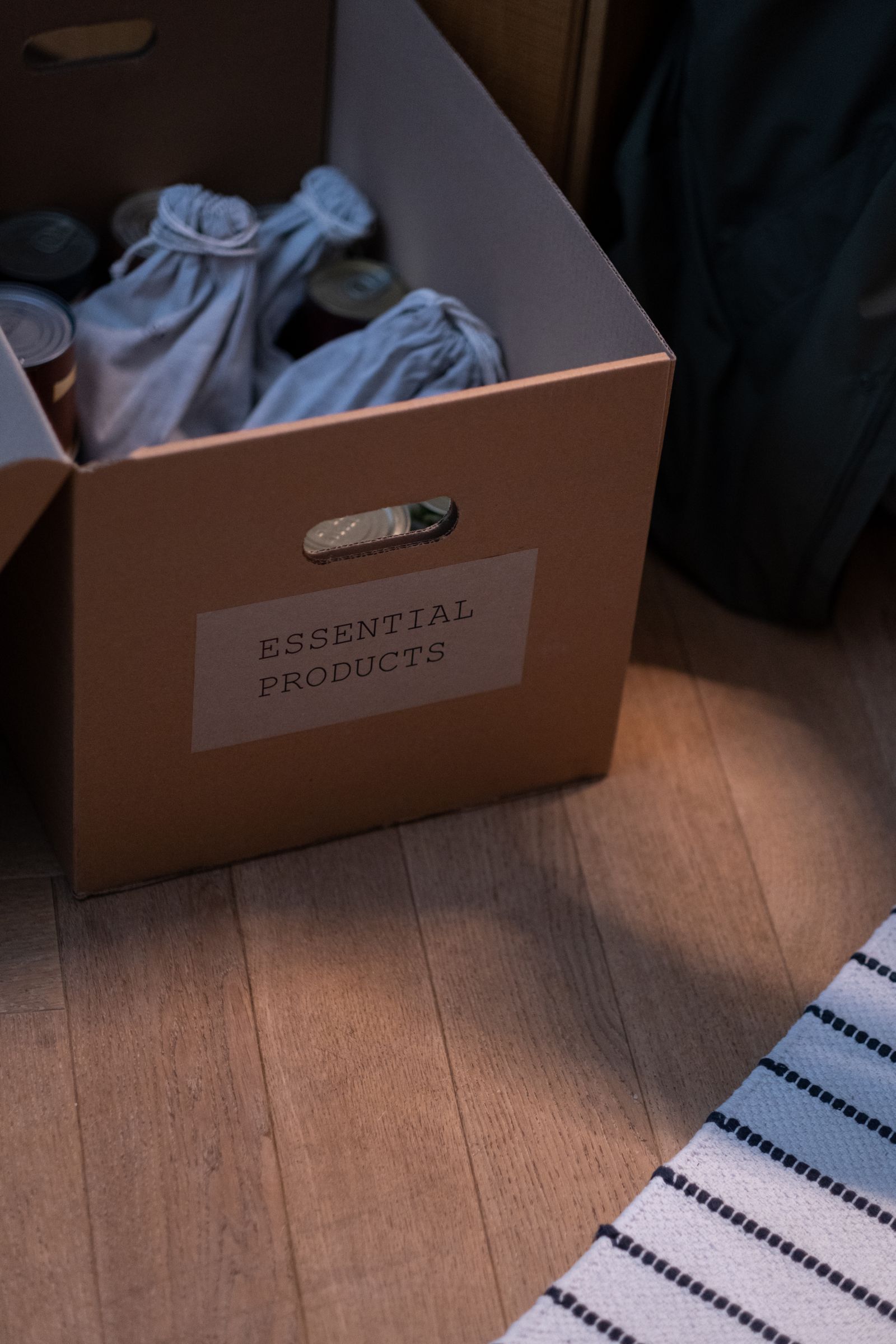
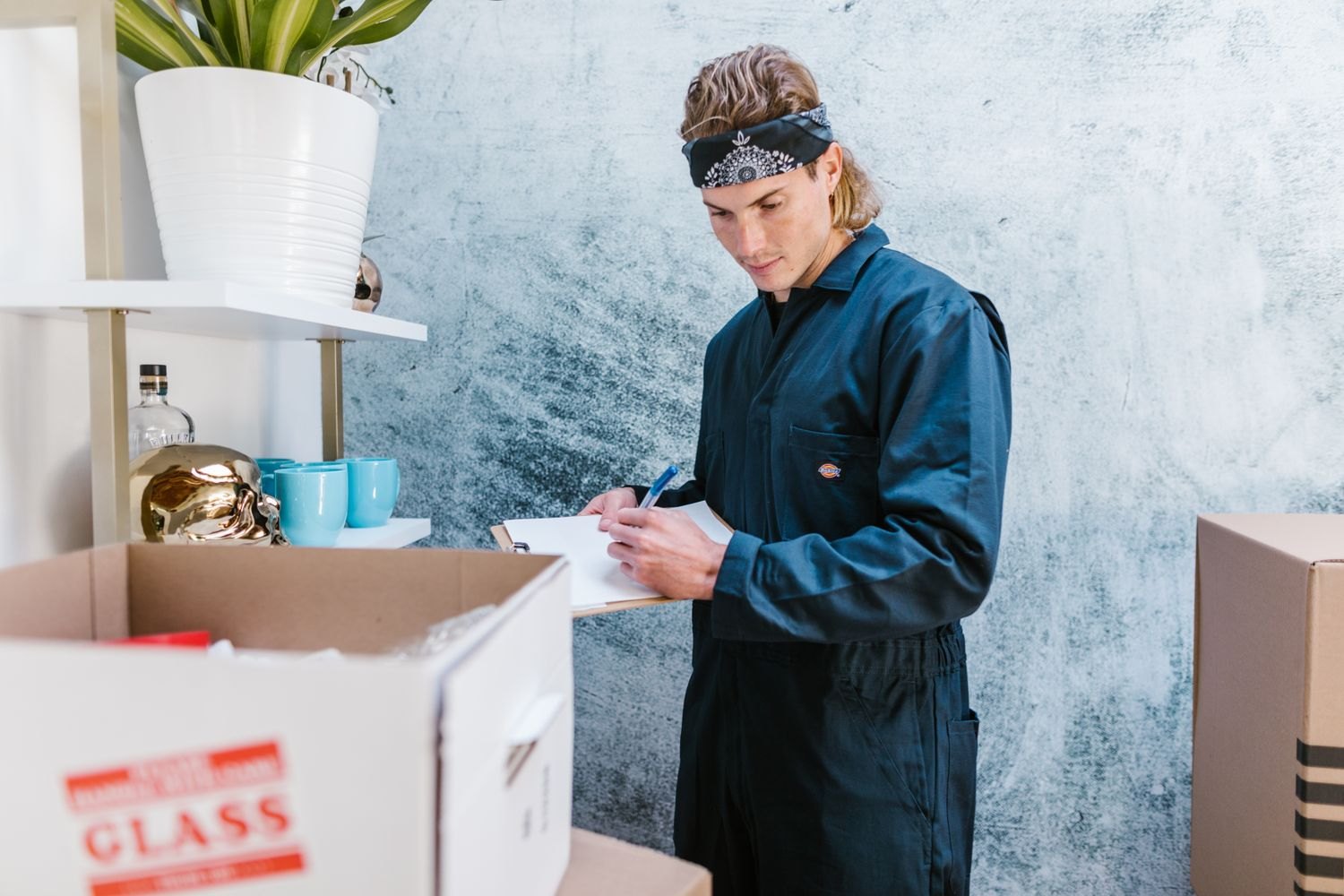
For a box of related components, one image of the open contents before sealing may be enough. Place its number where it can be read clearly. Delicate sets and groups of small accessories particularly benefit. A photograph cannot reliably establish the condition of every hidden object or guarantee completeness. Pair it with a short written description rather than abandoning your inventory's clear connection between contents and box number.
Make the pictures retrievable
Create a dedicated folder with subgroups by destination room or piece of furniture. Save a copy before your phone is heavily used on moving day. Offline access helps during assembly without an internet connection. Share only the relevant images with helpers. After unpacking, remove unnecessary pictures and keep genuinely useful assembly references. This stops the moving record becoming a permanently confusing second photo archive.