Put dates in one place
Enter the moving date and available key collection times in a shared calendar. Add working hours, existing appointments and days when help is unavailable. Mark unanswered questions clearly rather than turning an assumption into a confirmed booking. Once transport and access are settled, you can build a packing schedule around them. A single current version also stops different helpers following different arrangements.
Six to four weeks before
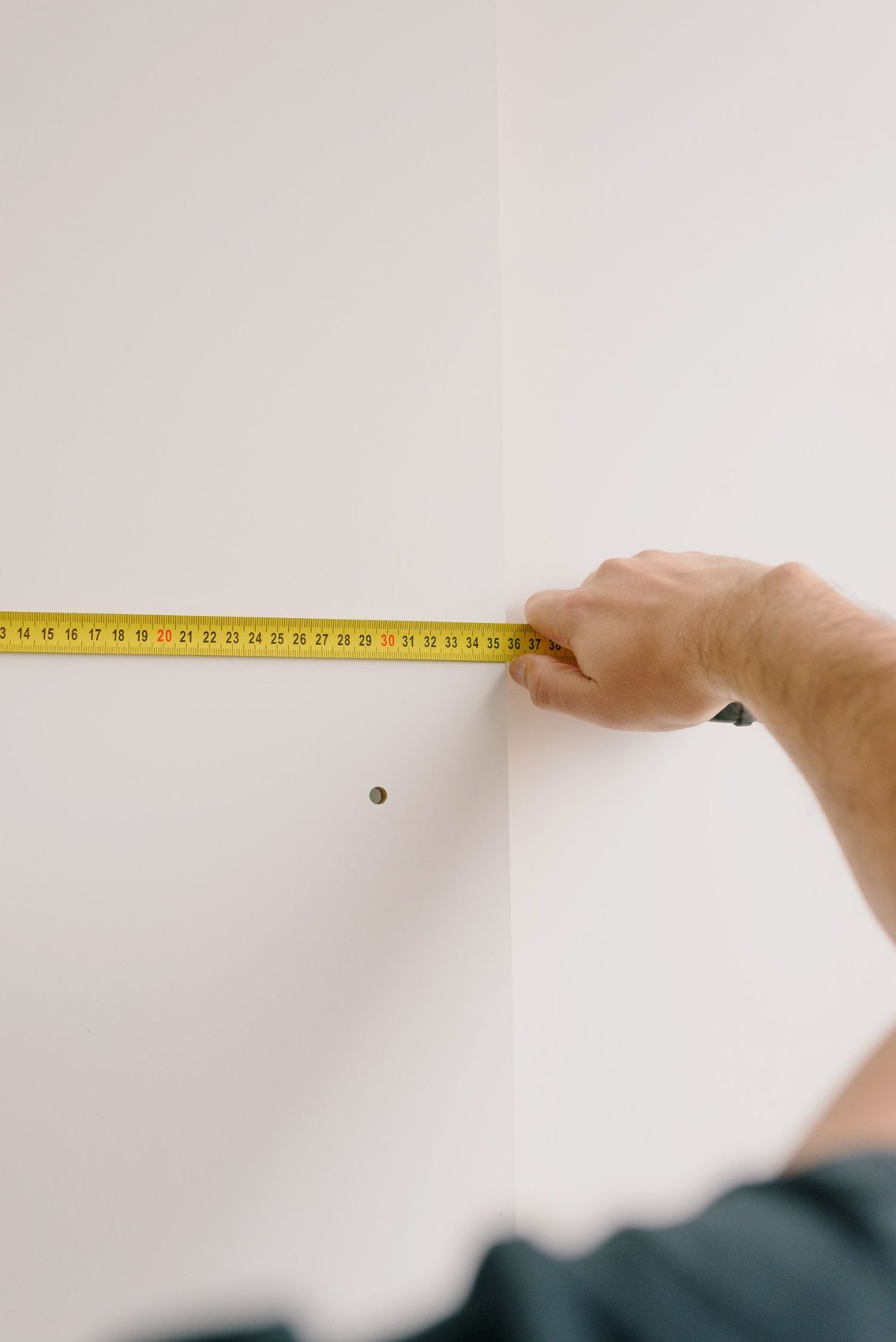
Walk through every room and decide what will travel with you. Photograph large furniture and measure it alongside the main narrow points on the route. Request transport quotes using the same information, or arrange your vehicle and helpers. Allow time to give unwanted belongings away. A collection booked for the evening before moving makes the schedule fragile. Start packing books, ornaments and other items you can temporarily do without.
During the final fortnight
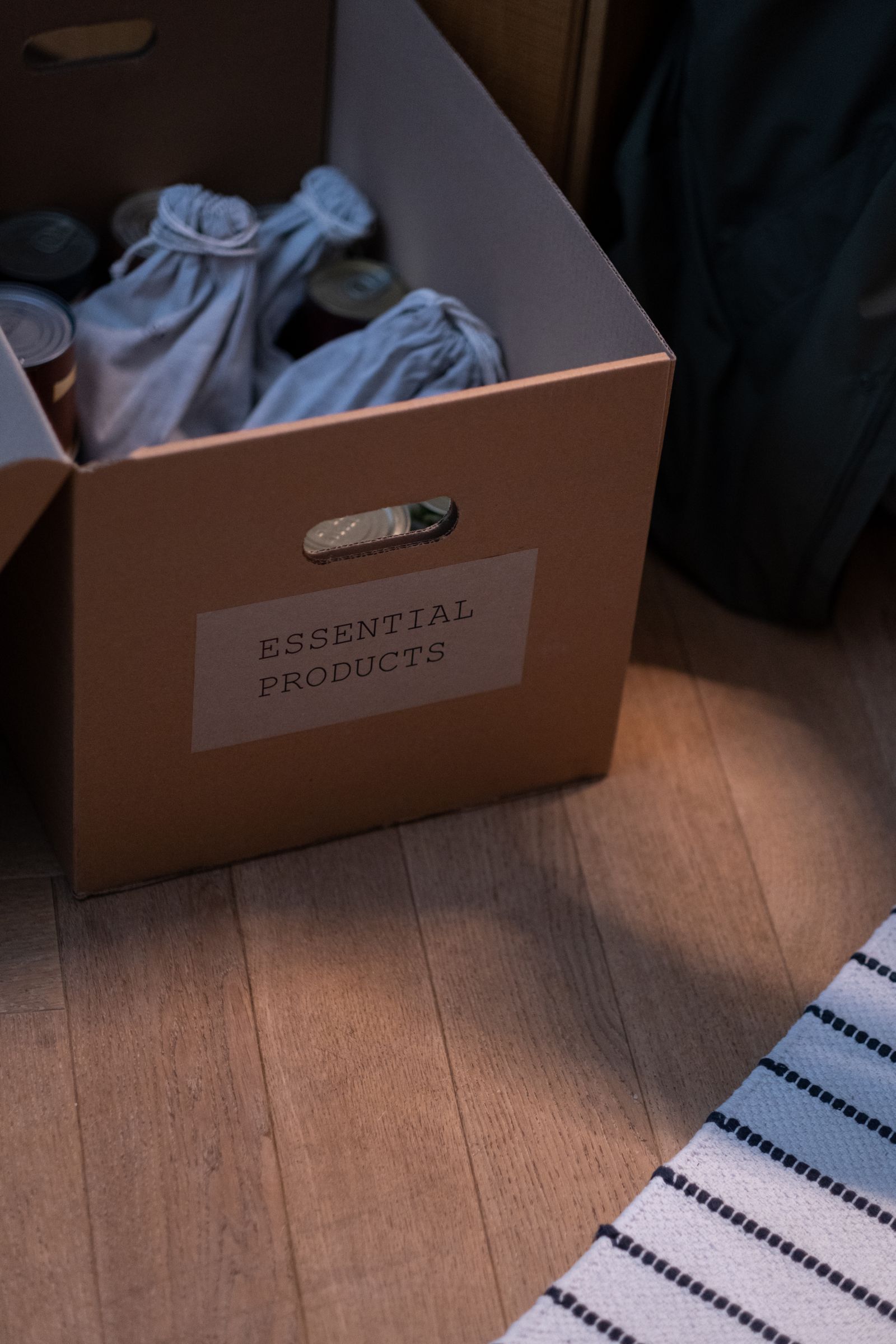
Use small packing assignments instead of trying to finish an entire room in one evening. One shelf or drawer is a manageable unit. Label each box immediately and maintain a clear walking route. Confirm arrival times, addresses and phone numbers with everyone involved. Check which furniture needs dismantling and whether its tools, instructions and labelled bags for fittings are ready before you start taking anything apart.
Leave room for delays
Keep half a day deliberately free during the last weekend. It can absorb a delayed collection or furniture that takes longer than expected. During the final days, only everyday essentials, cleaning and your personal bag should remain unpacked. Review the arrangements the evening before instead of making major decisions then. With less preparation time, reduce decluttering first; access, transport and suitable packing still need priority.
Keep completed tasks visible so someone else does not repeat them.