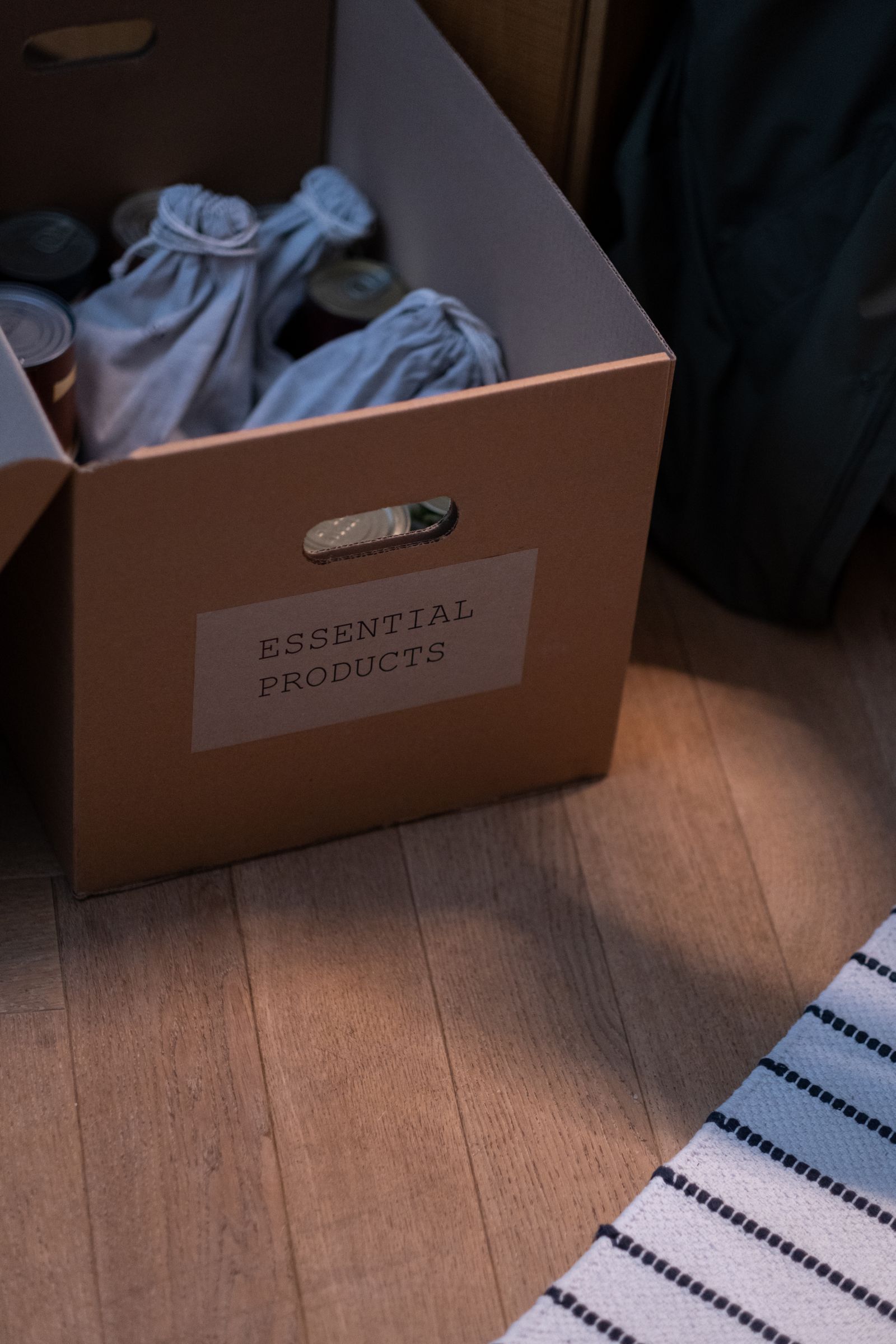
Cover the whole process
Give transport, packaging, required assistance and necessary work separate lines. Include smaller items such as extra journeys, food on moving day and missing tools. If you will use two homes at once, track overlapping ongoing costs in a separate section. Base your figures on actual quotations and existing bills. Broad online estimates can provide an initial reference, but they cannot replace a calculation for your own journey and arrangements.
Separate confirmed figures from estimates
Mark each amount as agreed, estimated or still unknown. Record what it includes alongside it. A vehicle hire quotation may cover very different services from a complete move with carrying assistance. Note return times, included travel and agreed extras instead of comparing offers only by their headline totals. Replace estimates when reliable figures arrive, and keep the relevant documents together so the assumptions remain easy to check.
Give the buffer a purpose
Ask which unresolved issues could change the plan: another day of travel, additional packaging or unexpectedly involved dismantling. Assign a realistic allowance to these possibilities. No single percentage suits every household. What matters is that your contingency has not already been committed to new furniture. Keep purchases for the new home in their own category so they do not obscure the cost of the move itself.
Update it as you go
Record spending promptly and remove the estimate it replaces. Otherwise, the same box purchase may be counted twice. If the budget becomes tight, first review optional services and purchases. Damaged packaging or unsuitable transport are poor ways to reduce costs. After moving, compare planned and actual spending. The reasons for differences will often be more useful for future decisions than the final total on its own.