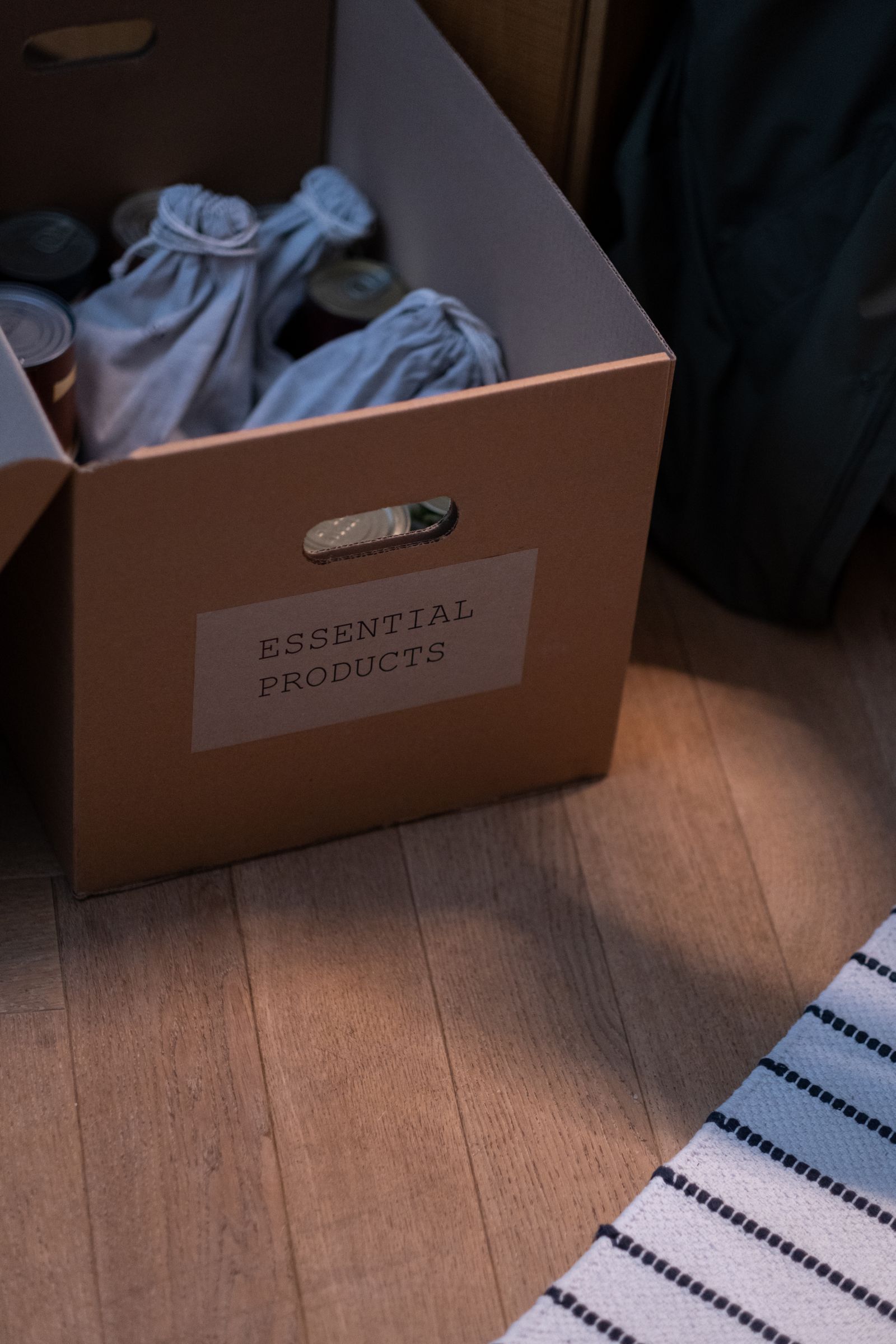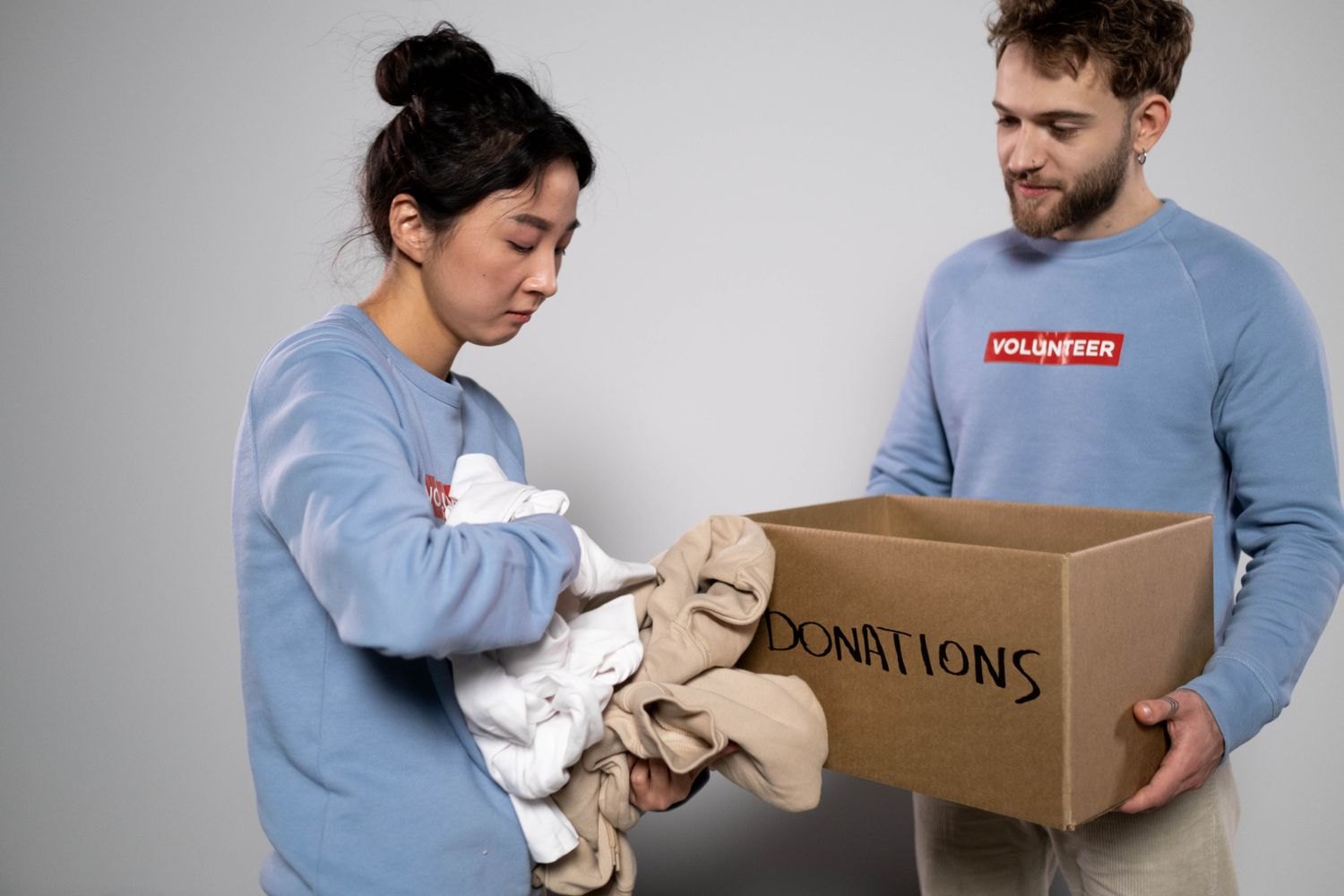
Begin with obvious surplus
Start with empty packaging, broken everyday items and unnecessary duplicates. Check whether a particular box is still needed to transport its device safely. Work on a small area at a time, such as one drawer. Divide the contents into “Keep”, “Pass on” and “Dispose of”. Give proposed repairs a real appointment; without a next step, a repair pile simply becomes another category of unresolved belongings.
Use the new space as a guide
Compare furniture, supplies and storage with the actual possibilities of your new home. A second guest bed offers little benefit if there is nowhere suitable to put it. For clothing, condition, fit and genuine use are usually more helpful than remembering the original purchase price. Discuss shared possessions with the people who use them. Clear responsibility works better than quietly removing someone else's things.
Arrange departures early
Book collections with enough time before the move. Describe dimensions, condition and any dismantling honestly so the collector arrives prepared. Group only items that can go to the same destination. Check local acceptance arrangements for unusual materials. A labelled collection box near the exit can help, provided it does not obstruct the route or get accidentally loaded with the belongings you intend to keep.
Leave memories until later
Photographs, letters and inherited objects often need different criteria from kitchen appliances. Set aside a limited, quiet period without helpers waiting around you. A small decision box is reasonable if it has an assigned place and a date for review. Avoid rushed choices simply because an afternoon has become busy. Finally, check that promised collections actually happened and that only belongings travelling with you enter the packing area.