Start with existing space
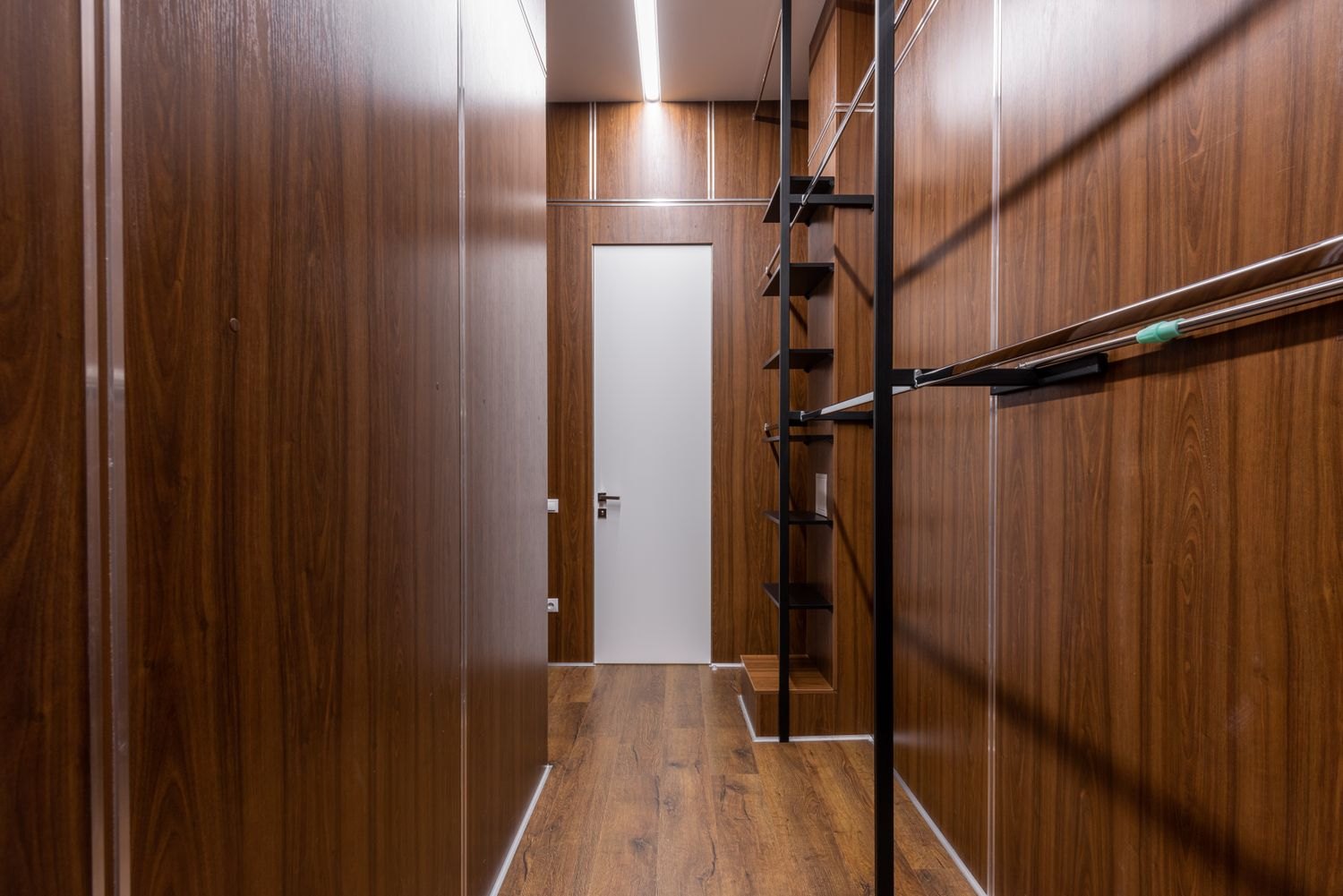
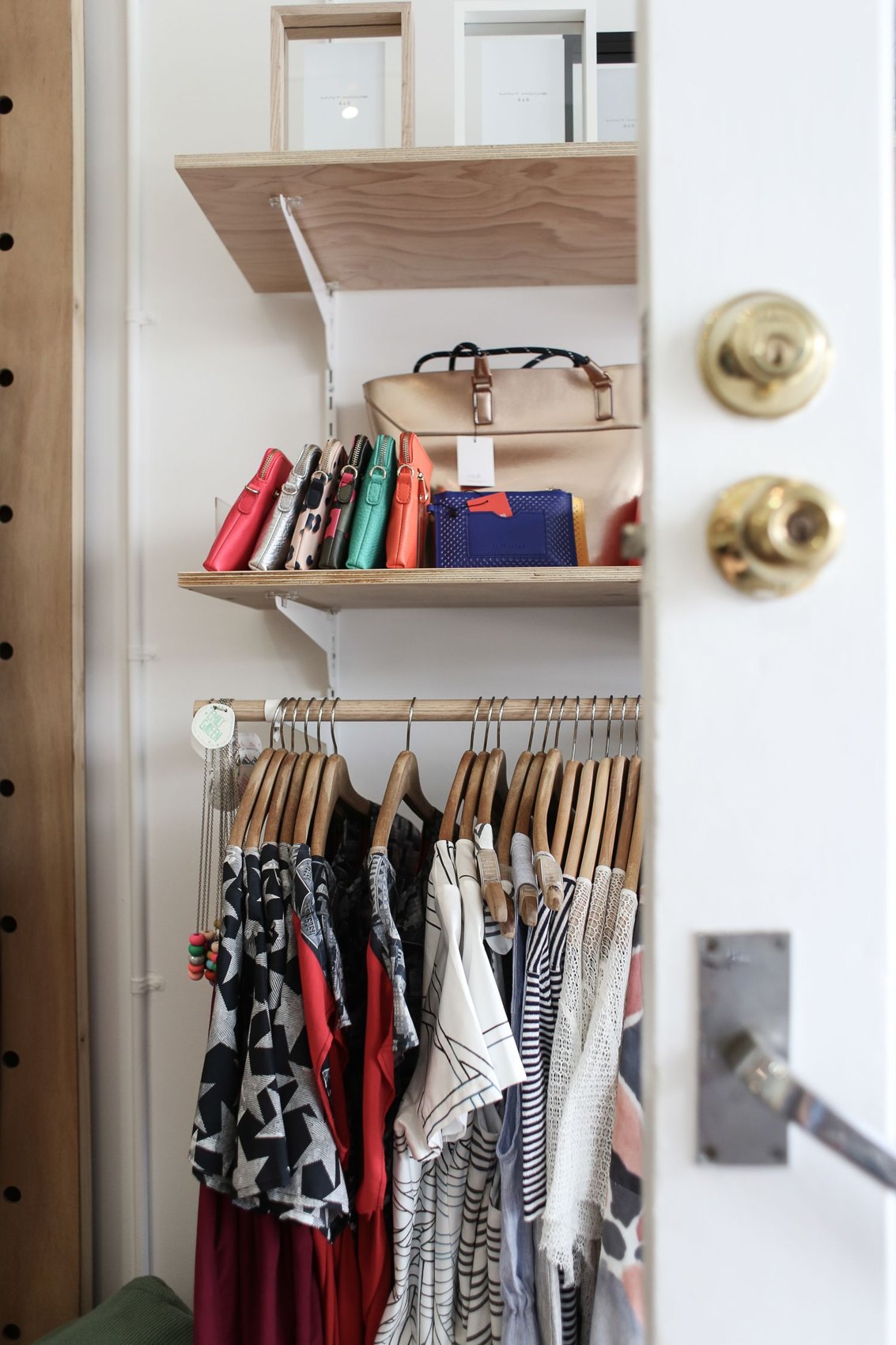
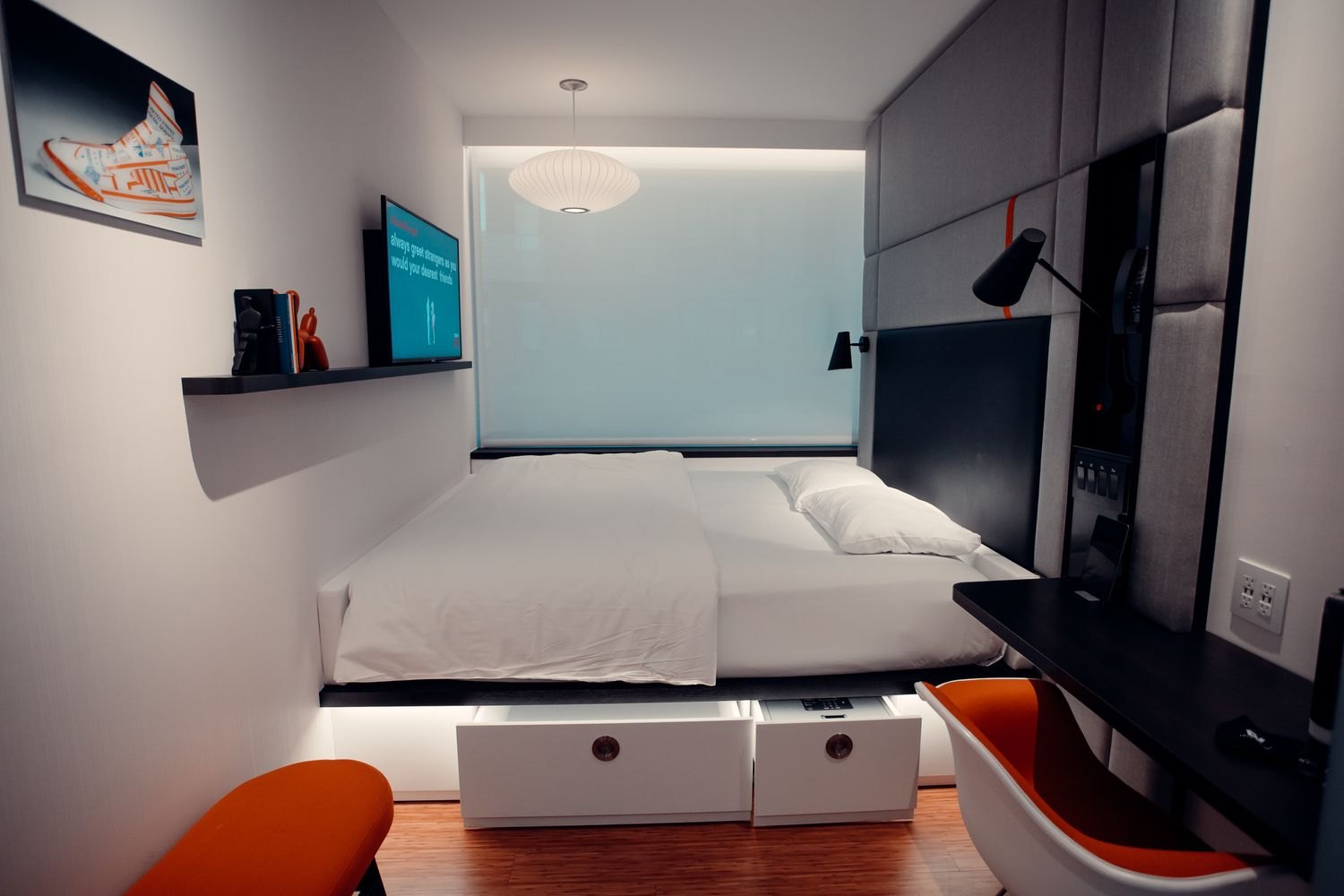
Check which compartments are unused and why. A shelf may be too deep, an upper section awkward to reach or a drawer difficult to organise. Removable inserts can help more than another large piece of furniture. Measure usable internal dimensions, including hinges and projections, before choosing containers that appear to fit.
Arrange belongings by use. An empty corner helps little if every retrieval involves crossing the home. Occasional lightweight items can occupy less central positions; everyday accessories belong near their activity. Test a new allocation with existing boxes or baskets before committing to a particular furniture size or buying several matching units.
Check movable furniture carefully
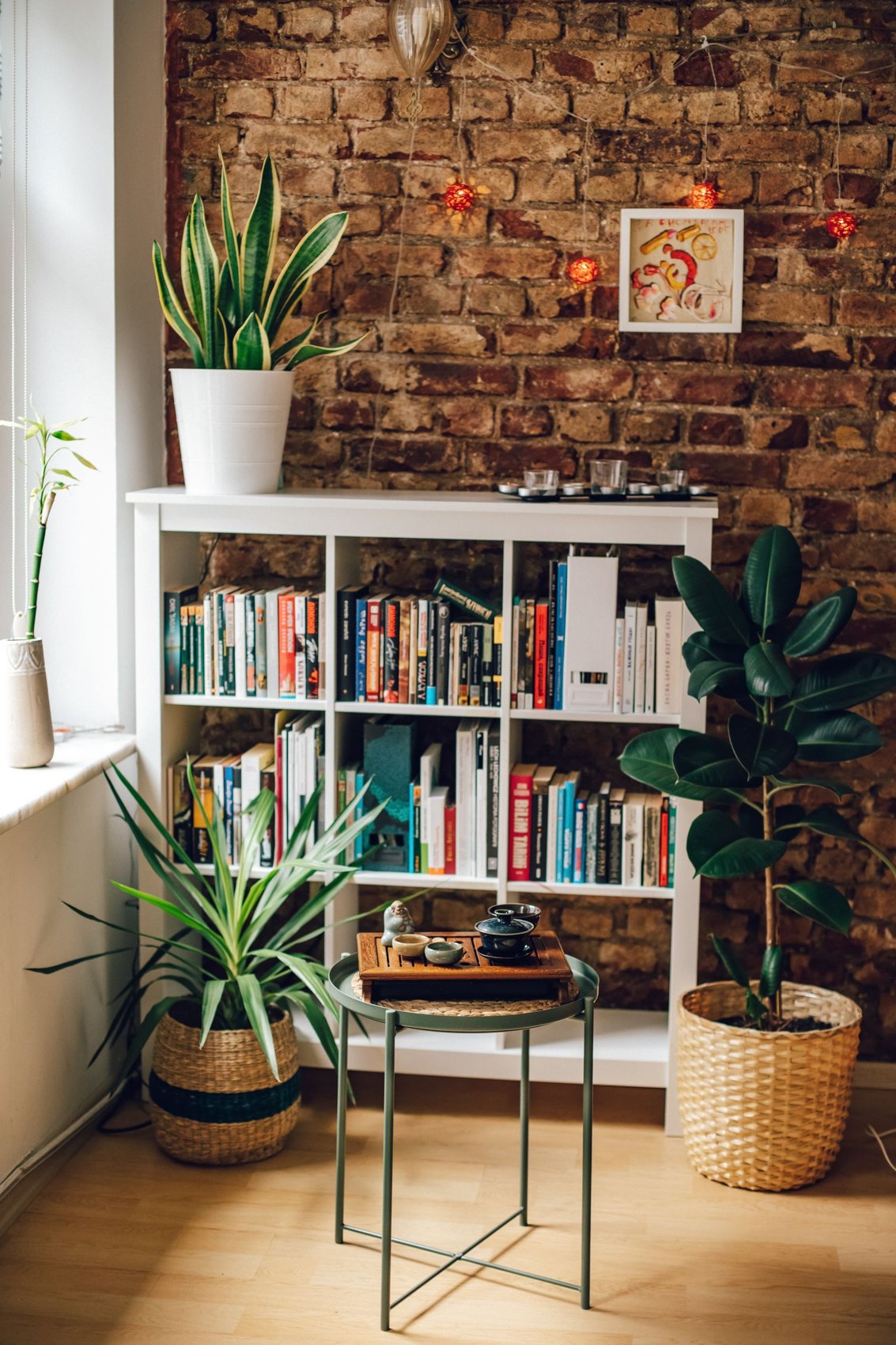
A low shelf, suitable trolley or stable storage bench may provide useful capacity. Check the footprint, load instructions and intended use of the actual product. Wheels need to be secured as designed where a fixed position is required.
Freestanding does not necessarily mean a unit can be used without securing it. If its manufacturer requires attachment, that forms part of its intended use. Choose another solution if you cannot provide the specified arrangement there. Extra weight or improvised adhesive strips are not substitutes for a required securing system.
Avoid creating obstacles
Keep doors, windows, heaters and necessary routes accessible. Check fully extended drawers and open cupboard doors too. Furniture may fit neatly when closed yet obstruct the room during use. Consider whether the floor needs protection and whether existing furniture glides are suitable for its surface before sliding the new piece into position.
Allocate additional storage to named belongings. Review the arrangement after a few days and adjust it if necessary. Useful storage comes from sensible allocation and secure handling, rather than simply increasing the number of compartments available around the room.