Separate reusable material first
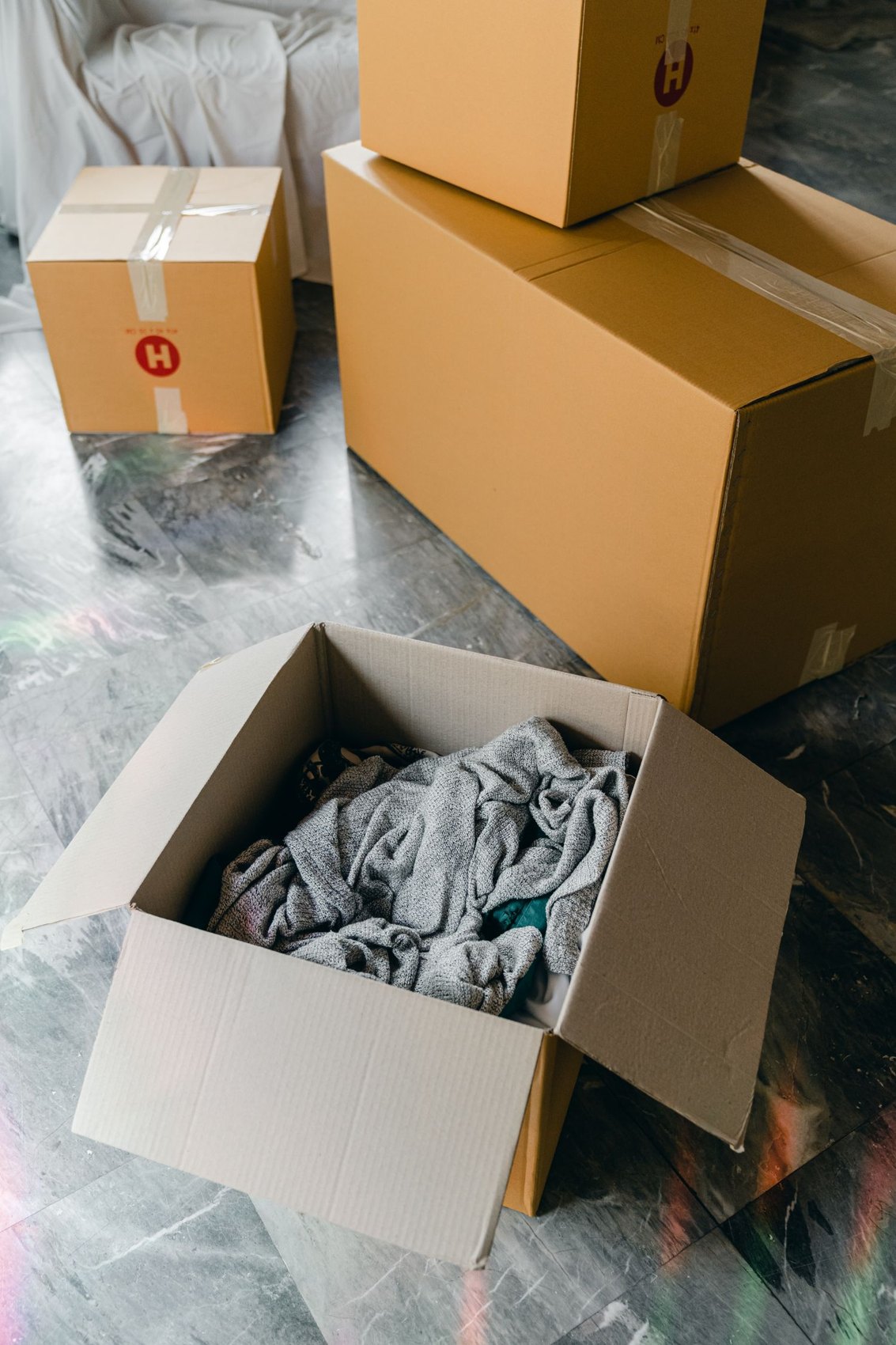
Flatten clean sheets of packing paper and inspect bubble wrap before keeping it. Give material needed for more boxes a separate container. Avoid saving an unlimited quantity simply because it might theoretically be useful. Keep what has a specific next purpose and a suitable dry storage position within your home.
Check every cushioning layer for small belongings. Accessories, bags of screws and loose lids are easily overlooked. Do not wait until a collection sack is full before looking for them. Complete one box, check its contents and only then move its packaging to the sorting station, combining tidying with a straightforward completeness check.
Keep materials identifiable
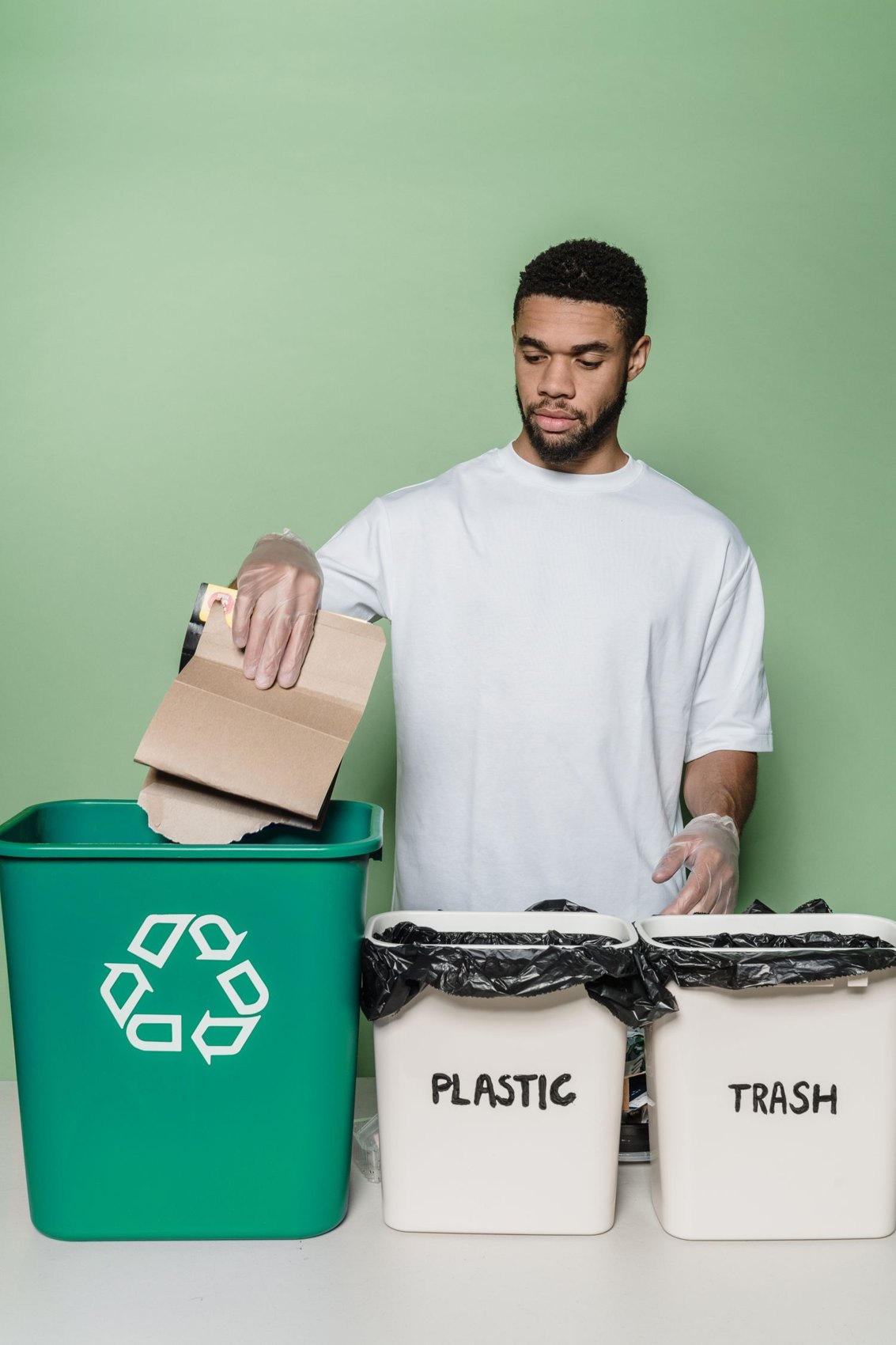
Provide separate collection points for cardboard, paper and plastics where relevant. Tape, labels and mixed materials may need a closer check. Consult your local waste service's instructions: the general colour of a bin does not reliably tell you what is accepted at your particular address or how it should be prepared.
Keep film and small packaging pieces inaccessible to children and pets. Position collection containers away from walking routes and heat sources. Large flattened boxes can lean against a wall only where they cannot fall or obstruct access. A loose bundle left in a communal stairway is not a suitable temporary arrangement.
Plan removal as a task
Check local options before packaging fills your storage space. Is there a collection, accessible recycling centre or agreed return arrangement? Confirm opening times and acceptance conditions directly with the provider. Plan quantities that can be transported safely and neatly in the vehicle available rather than assuming everything will fit in one trip.
Empty the station in regular small batches. Adjust its size as unpacking progresses; smaller containers are usually enough when only a few boxes remain.