Start clean and dry
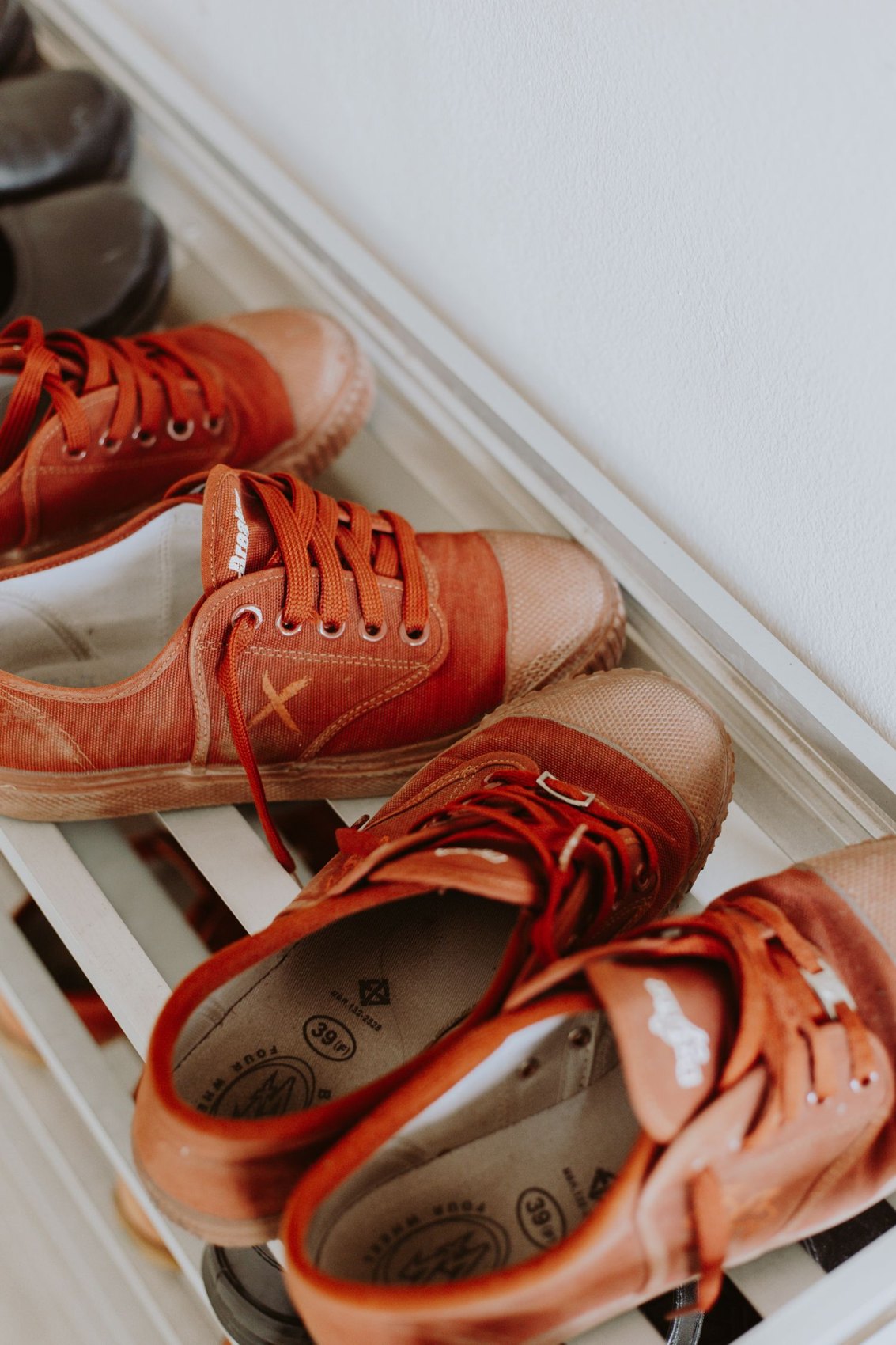
Remove loose dirt from the soles and treat uppers only with suitable products. Do not immediately seal shoes that are freshly cleaned or wet from rain. Check laces and fastenings so nothing projects loosely. Keep shoes still in use away from the finished packing. A moving-day pair and a clean change may be enough, but adapt the choice to the actual conditions and activities you expect.
Support the shape
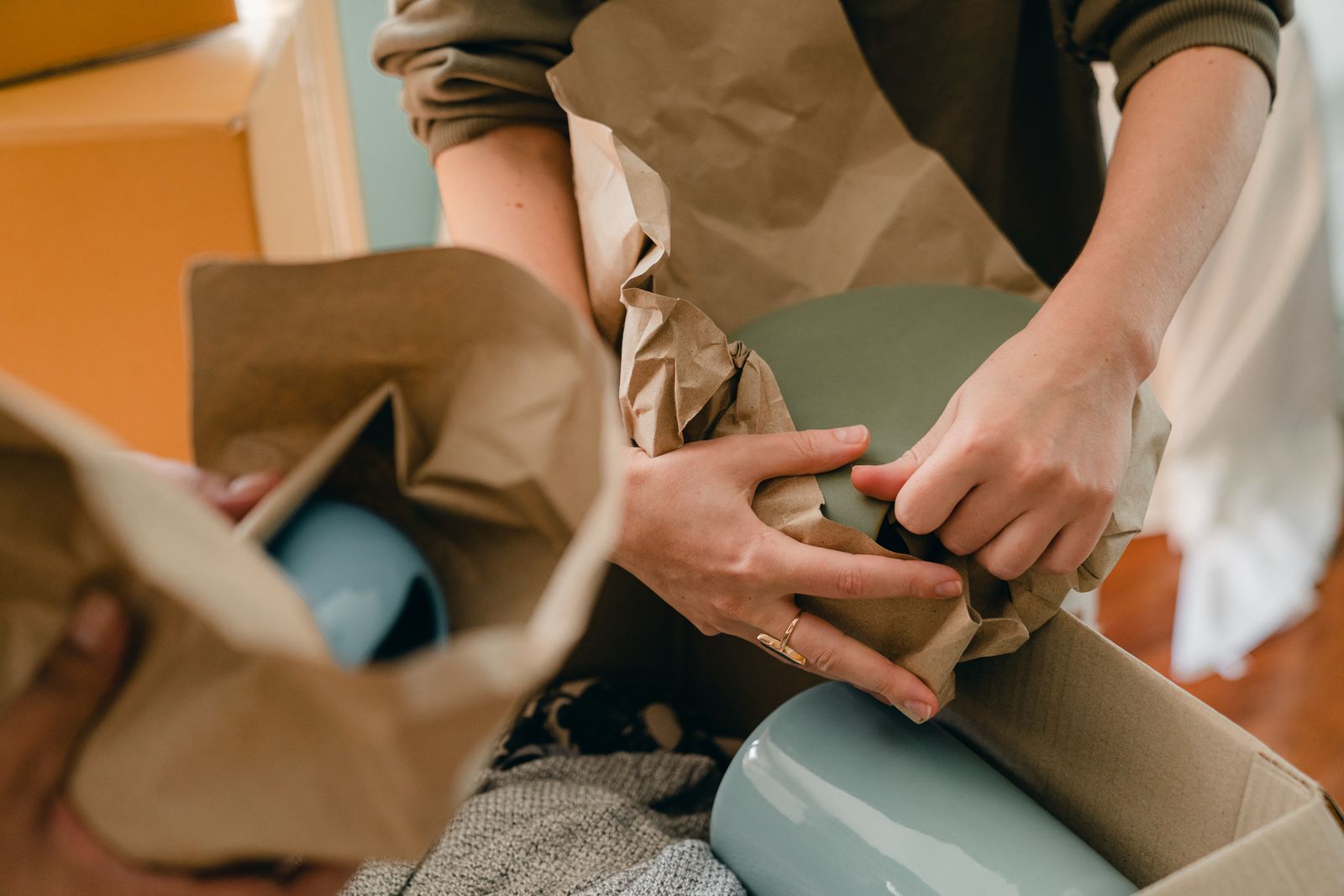
Loosely fill vulnerable toe areas with clean paper where needed, without stretching the material. Existing shoe trees can stay if intended for the footwear and not adding unnecessary weight. Avoid sharp folds in tall boot shafts. Put soft material between surfaces that will touch during transport. Clean unprinted paper is more appropriate than coloured newspaper against pale or sensitive linings, especially where colour transfer would be difficult to remove.
Keep pairs together and soles apart
Use suitable shoe boxes or clean individual covers inside a larger container. Arrange shoes so hard soles do not press into delicate uppers. A shared bag keeps a pair together but may still need separation between vulnerable surfaces. Spread heavy work boots or walking shoes across several containers. Light sandals can sit above them only if buckles and heels cannot create concentrated pressure points.
Plan a useful unpacking order
Label by owner and purpose, such as “Everyday” or “Winter”. Seasonal footwear can wait longer for unpacking but still needs a dry location. Remove temporary covers at the destination and check for trapped moisture. Retain only original boxes that remain useful. If a box becomes long-term storage, label it with the pair actually inside rather than the previous shoes that have already been given away.
A quick look at both soles reveals any remaining dirt.