Record observations, not verdicts
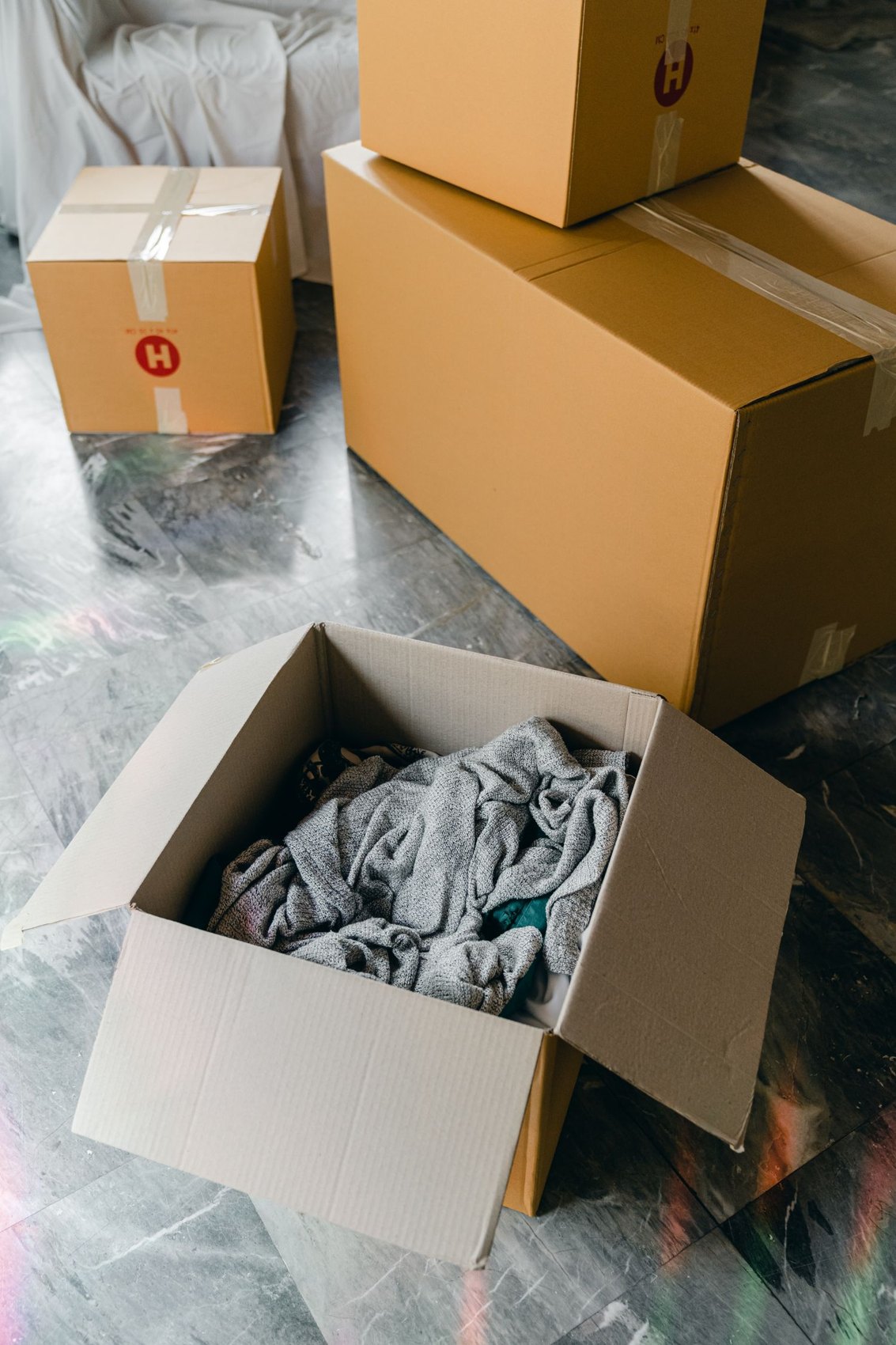
Describe specific situations. ‘Too few boxes’ is less useful than ‘Books needed four additional small cartons’. Note which sizes worked and which packages were awkward to carry. Distinguish an unsuitable box from an overloaded one so your eventual conclusion addresses the real cause rather than recommending a different product unnecessarily.
Record what was missing on the first evening. Was bedding difficult to reach, or the right charger in another bag? These small problems create a personal checklist for another move. Add a better solution to each observation.
Make the effort understandable
Compare planned timing with actual time spent. Which tasks took longer, and which were unexpectedly quick? Note long carrying routes, waiting periods and missing tools. Do not treat the figures as universal rules. They describe this particular move and provide a starting point for your own future planning under potentially different circumstances.
Group expenses clearly and keep supporting receipts appropriately. Separate one-off purchases from services and consumables. Equipment you bought may already be available next time, whereas additional packing paper will not.
Keep a usable small archive
Collect useful photographs, dimensions and notes in one clearly named location. Avoid keeping unnecessary personal information about others. Mark documents that need checking or updating later. An old room plan can serve as a reference, but should not accidentally become the current basis for planning furniture in a different home.
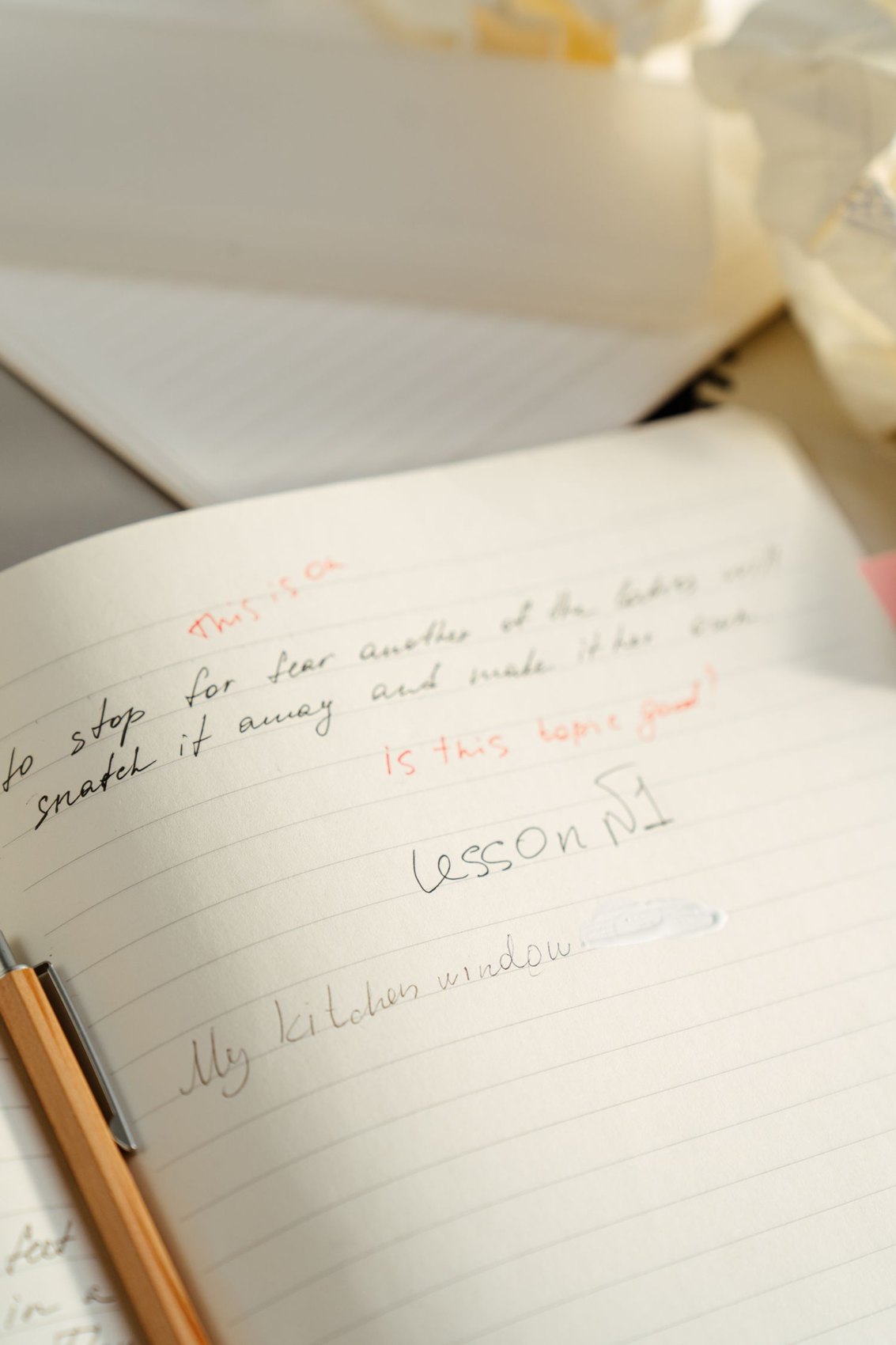
Add lessons from unpacking after a few weeks. Which labels helped, and which objects travelled sensibly together? Remove duplicated entries and summarise key changes on one page. A short readable note is more likely to be used than a large disorganised folder containing photographs whose purpose is no longer clear.