Define the useful space
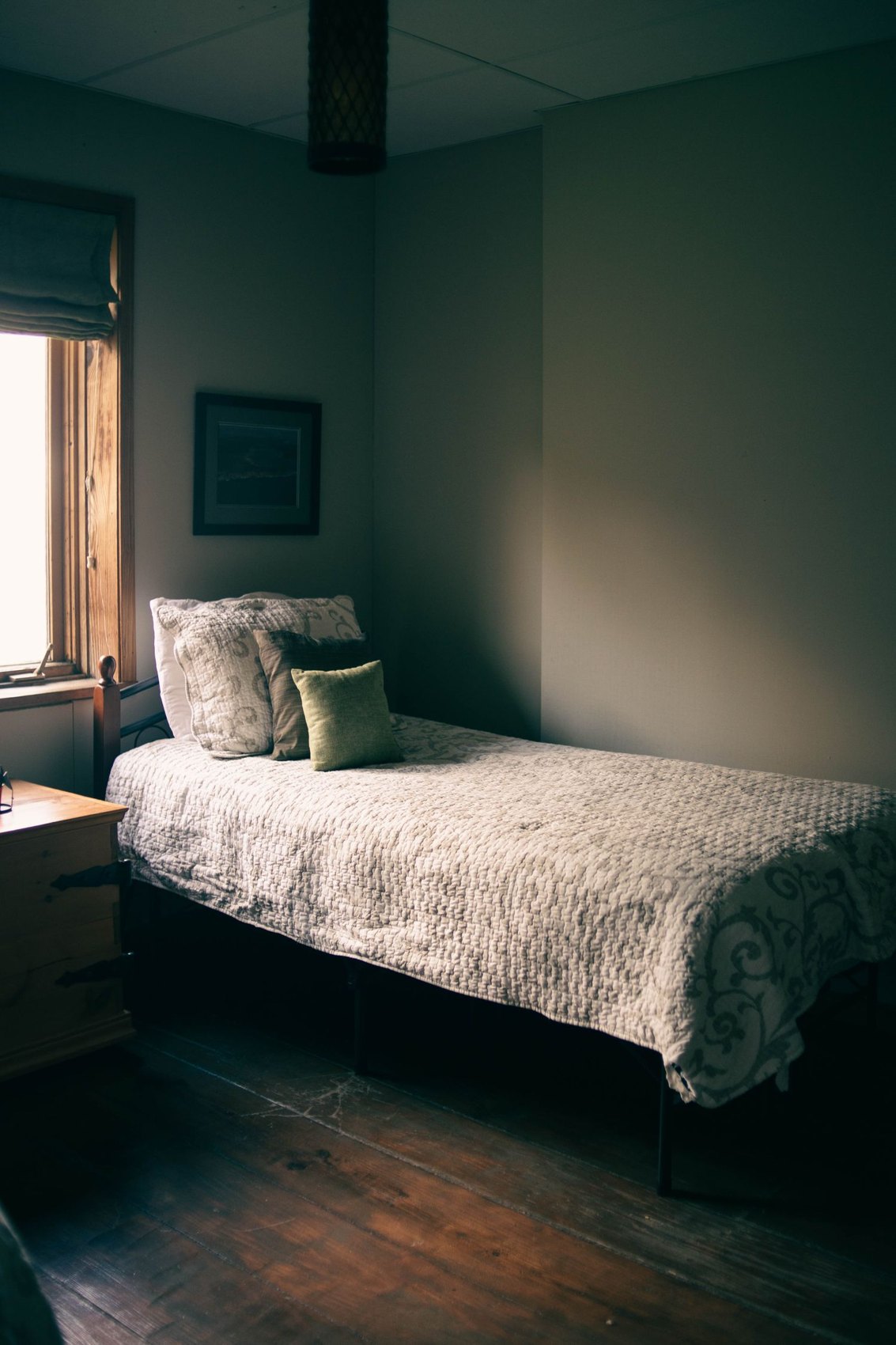
Consider what an overnight visitor actually needs: a suitable sleeping place, an accessible surface and room for a bag. Keep those areas free even if the room has another function.
Check the route between door, bed and window. Packaging must not block movement or prevent windows being operated. If you allocate cupboard space to guests, deliberately keep it empty. A small clear section is more dependable than promising to make room in a completely full cupboard at the last moment when somebody arrives.
Limit the remaining boxes
Give leftover cartons a bounded area where they stand securely with labels visible. Decide why each box is there and when its contents will be resolved. Mixed cartons without a decision accumulate particularly easily in rooms used less often, where they may remain unnoticed long after the rest of the move appears finished.
Take belongings for other rooms directly to their intended positions. If something has no permanent location yet, group it in a labelled container. Unresolved decisions then remain visible rather than spreading across the bed, chair and windowsill without being noticed.
Test the room in use
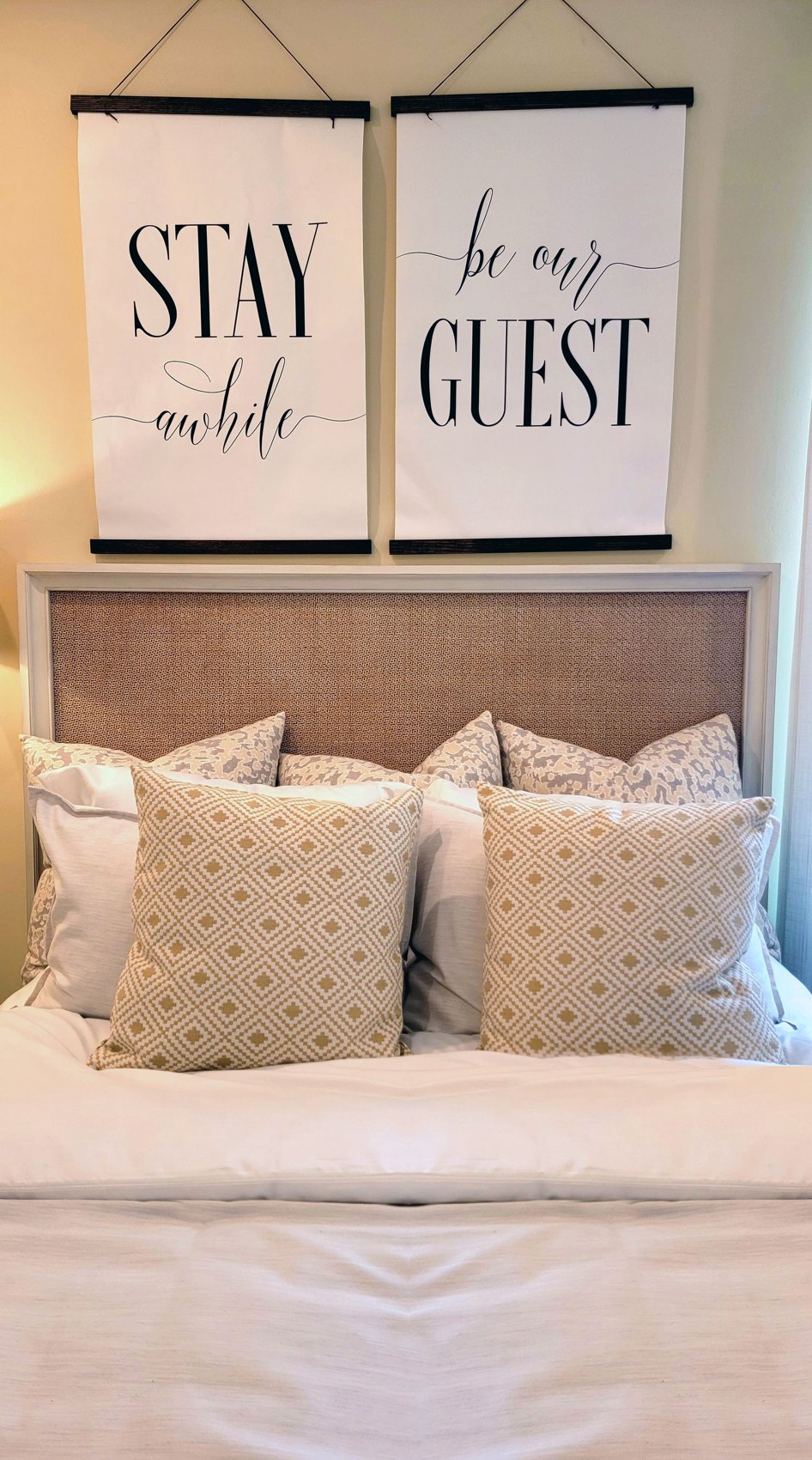
Make the bed in advance and provide a clean towel. Check lighting and accessible surfaces. Sit on the sleeping space: can you operate the light easily, and is there room to open a bag? These actions reveal awkward spots that may be missed when you only look at the room from its doorway.
Ask the visitor about particular needs instead of supplying extensive equipment speculatively. After the visit, return bedding and other belongings to their places and remove packaging. This keeps the room usable with a few small actions rather than allowing it to restart its role as a general dumping ground after every stay.