Start with repeated detours
Walk through the rooms looking for small recurring obstacles. Which bag always lands beside its intended compartment? Which drawer opens only after something else is moved? These patterns often indicate an unsuitable location rather than poor tidiness. Record a few specific situations that happened repeatedly during the past week instead of listing every imperfect corner.
Ask other household members where they regularly search or rearrange things. Compare labels with actual contents. A compartment called ‘Office’ is less helpful when it also contains travel adapters and wrapping paper that people expect to find somewhere else.
Bring frequent items closer
Move frequently used belongings into comfortable reach. Occasional items can occupy less central positions if they remain easy to identify. Relocate small complete groups, such as sports accessories or chargers, rather than scattering individual parts across rooms. Keep related belongings together where the real activity requires them, rather than following their former arrangement automatically.
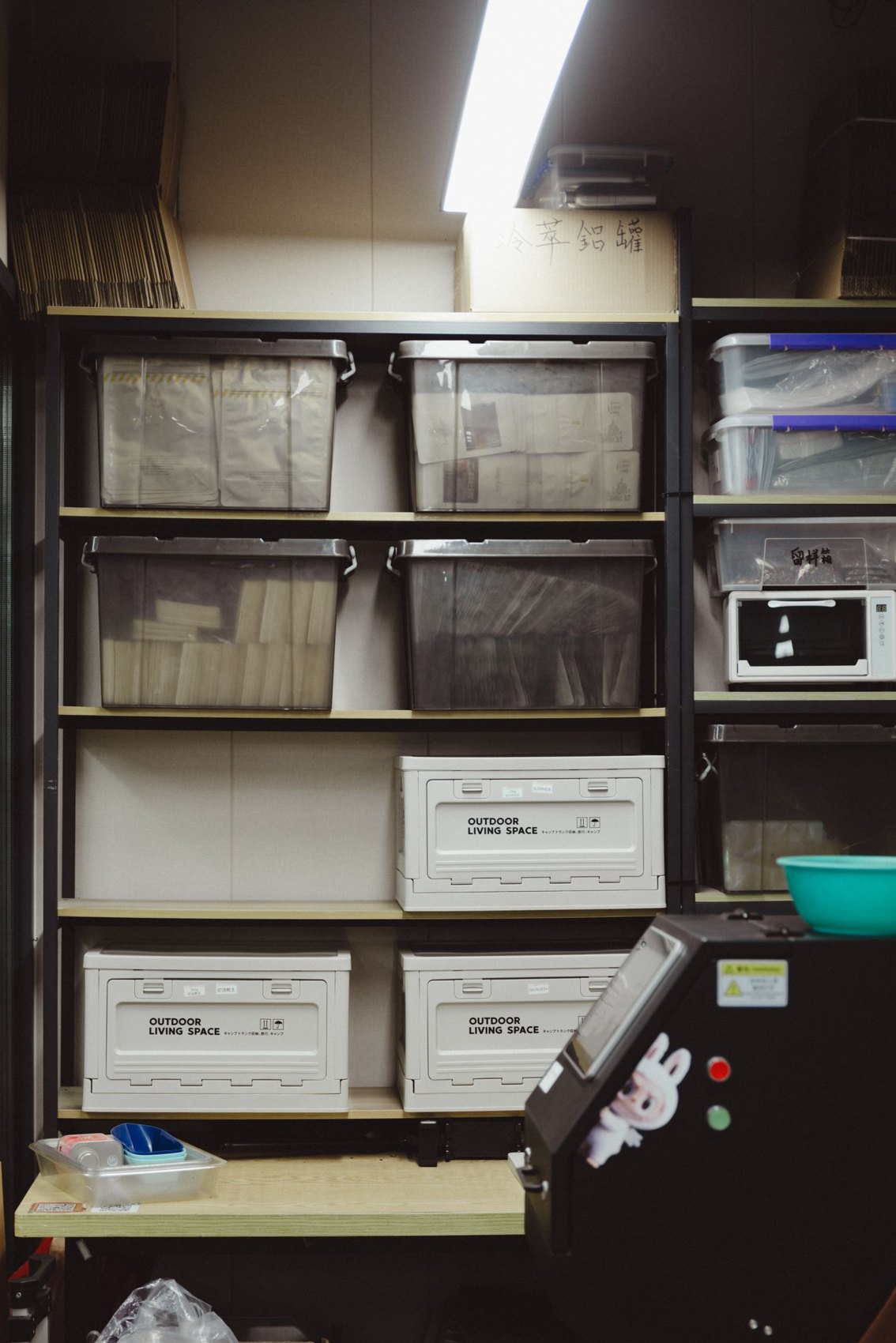
Review existing containers before buying more. A deep basket may conceal objects, while numerous little boxes can create unnecessary divisions. Remove surplus packaging and adjust the arrangement first. Measure any remaining gap afterwards. You then buy for a clear task instead of responding to a vague feeling that the space needs more storage products.
Decide on unopened cartons
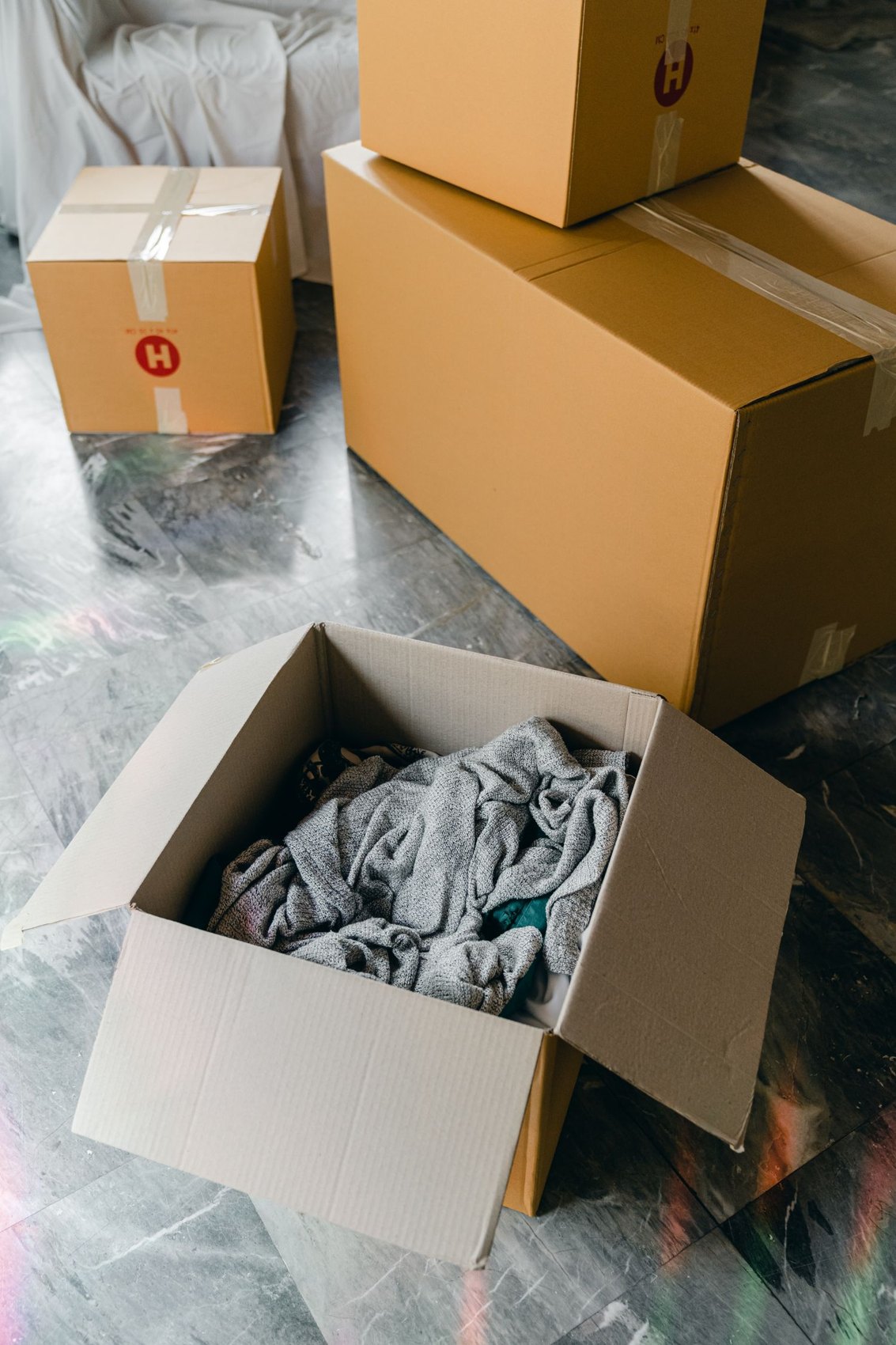
Open remaining boxes one at a time and consider why their contents have not been needed. Seasonal belongings differ from overlooked daily equipment. Make a clear decision for each carton: continue storing it, put the contents away now or sort them out. Simply moving unresolved boxes somewhere less visible does not complete the review.
Update labels and any inventory after changes. Photograph larger storage areas again when cartons swap positions. Arrange a small future check rather than an endless improvement project.