Observe the arrival route
Think about what you carry through the door: perhaps keys, shopping and a cycle helmet, or a backpack and dog lead. Plan for regularly used belongings.
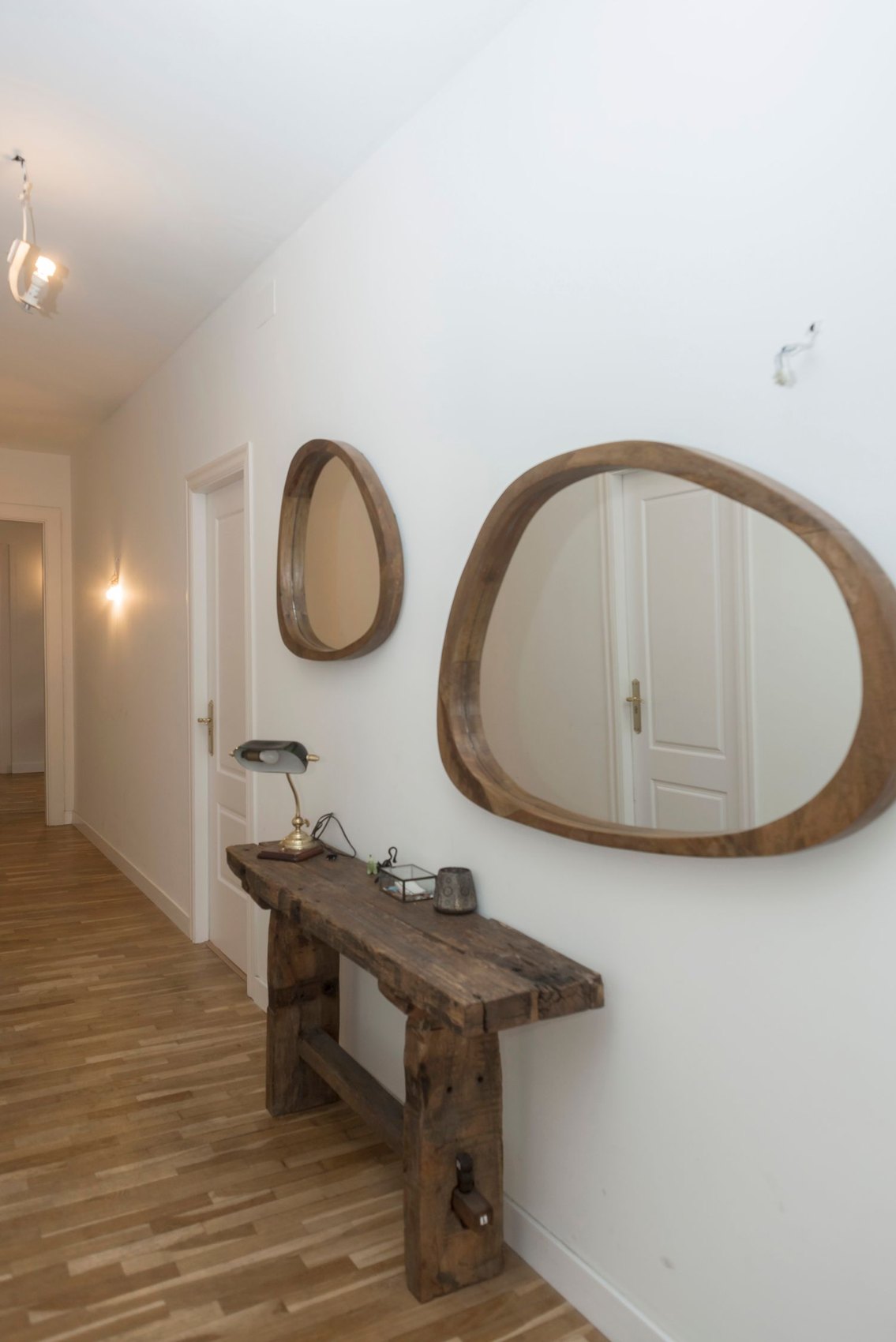
Test the position with the door fully open. There must still be room to pass while someone puts down a bag. Begin with existing stable furniture or a suitable basket. A temporary location is easier to adjust after a few days than something already fixed permanently to the wall.
Give each group a boundary
A small bowl can hold keys, one compartment current post and a basket everyday scarves. Separate shared items from personal belongings. Matching containers are less important than everyone knowing their own place and being able to reach it without moving somebody else's things out of the way first.
Make capacity limits visible. If the entrance holds only one everyday pair of shoes per person, store other pairs elsewhere. Wet shoes and damp clothing need a suitable place away from vulnerable furniture. Position heavy bags where they cannot topple from narrow edges when somebody brushes past them on their way inside.
Reset the area regularly
Empty the post compartment and move papers to where they will be handled or filed. The entrance is a transfer point, not a permanent archive. Remove belongings that arrived there accidentally. A brief daily reset prevents this small station becoming another collection point for things whose proper home is still undecided.
For a week, notice what lands beside the containers rather than inside them. A compartment may be too small, poorly positioned or unnecessary. Adapt the arrangement to that behaviour. A useful entrance station saves effort instead of requiring complicated rules that nobody follows while coming through the door carrying full shopping bags.