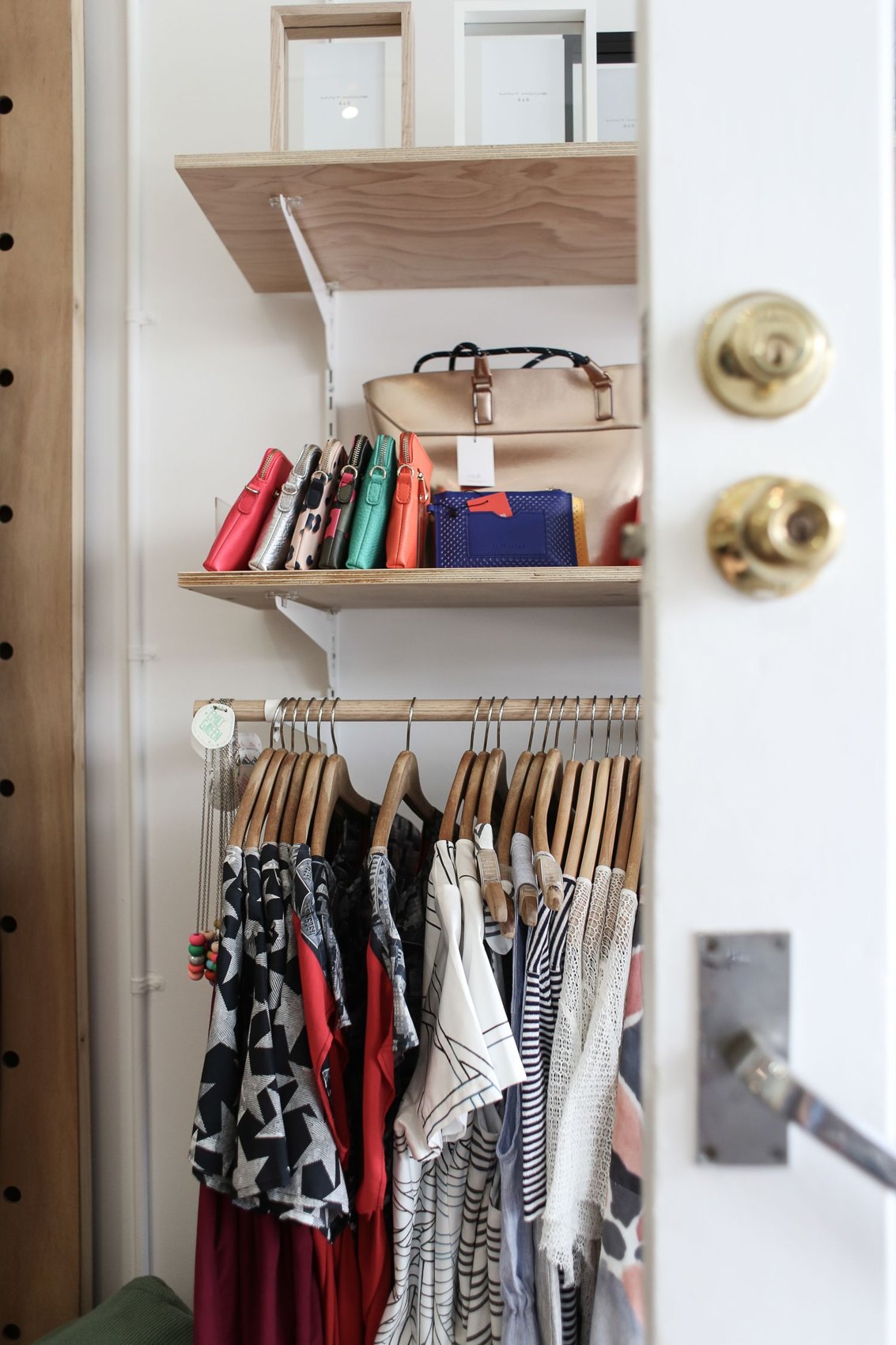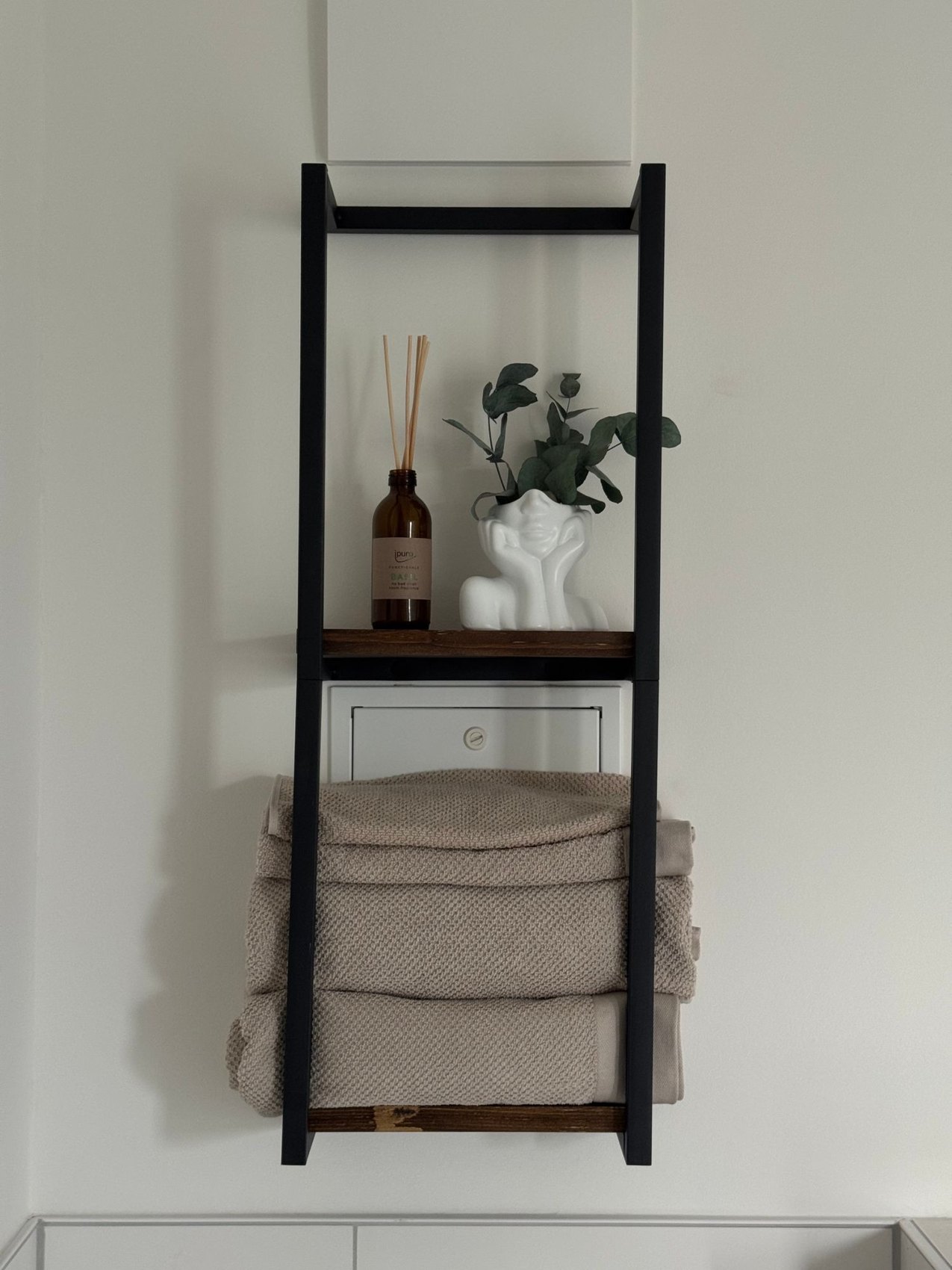
Take stock one compartment at a time
Empty one shelf or drawer and check products against their labels. Separate opened packs from unopened reserves. Group similar products without mixing their contents or transferring them into unlabelled bottles. Do not discard another household member's belongings without asking them first.
Remove empty packaging and record existing backups before buying more. A few clearly defined groups are often enough: daily care, hair accessories, replacements and guest supplies. The bathroom may be unsuitable for items with particular storage requirements; the instructions on the packaging matter more than an available shelf.
Make daily access simpler
Put regularly used products in a small removable organiser. It should fit the compartment and be easy to grip in a controlled way, even with damp hands. Keep bottles upright and protect vulnerable cabinet surfaces from leaking residue. A wipeable tray makes checking easier but does not replace a properly closed cap.
Give toothbrushes and other personal items enough room to dry. Do not pack wet sponges, washcloths or brushes tightly beside dry supplies. An empty corner is better than an overcrowded container whose contents remain damp after every use.
Limit reserves and keep them accessible
Assign a separate shelf to replacements and label it plainly. Put older suitable supplies at the front so they are visible when a product runs out. Choose reserve quantities according to consumption and available space, rather than the size of a promotion. Large refill packs must stand securely within the shelf's load limit.
Check drawers and cupboard doors when open. Storage behind a door must not strain pipes or fittings or obstruct their use. Wall storage needs fixings suitable for the surface and bathroom conditions. After a week of ordinary use, review which products really need to stay close at hand and which merely occupy useful space.